LANDIS GYR PTM1.2I420 Siemens
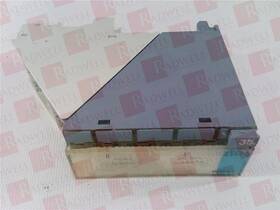
( Brand: Landis Gyr ), ( Manufacturer Part Number: PTM1.2I420 )
Review LANDIS GYR Siemens Ptm12i420 Used
The **Landis Gyr PTM1.2i420** (also marketed as the **Siemens PTM12i420**) is a high-performance, advanced metering infrastructure (AMI) smart meter designed to revolutionize utility billing, demand response, and energy management for residential and small commercial customers. Part of Landis Gyr s next-generation **PTM1** series, this intelligent electronic device (IED) integrates cutting-edge communication, security, and data analytics capabilities to deliver precise, real-time energy monitoring while ensuring seamless integration with modern smart grid systems. Engineered with a robust **GPRS/3G/4G cellular modem**, the PTM1.2i420 enables bidirectional data transmission, allowing utilities to remotely collect consumption data, detect outages, and implement dynamic pricing or load management strategies with unparalleled efficiency. Its compact yet durable design, featuring a **stainless steel enclosure**, ensures resilience against environmental factors such as moisture, dust, and temperature fluctuations, making it ideal for deployment in diverse climates, including harsh outdoor conditions.
At the heart of the PTM1.2i420 lies a **high-precision, multi-tariff metering system** capable of measuring electricity consumption with exceptional accuracy down to **0.5% basic error** while supporting up to **16 programmable tariffs** to accommodate complex billing structures, including time-of-use (TOU), real-time pricing, and demand charges. The meter s **modular architecture** allows for easy upgrades, accommodating future advancements in communication protocols (such as **LoRaWAN, Zigbee, or PLC**) and software functionalities without replacing the entire unit. Security is a cornerstone of its design, with **AES-128 encryption** for data integrity, **TLS 1.2/1.3** for secure communication, and **hardware-based authentication** to prevent tampering or unauthorized access. Additionally, the meter s **self-diagnostic and fault-detection capabilities** ensure continuous operation, alerting utilities to potential issues such as communication failures, power interruptions, or meter malfunctions before they escalate.
The PTM1.2i420 is engineered for **plug-and-play deployment**, featuring a **user-friendly LCD display** with customizable interfaces for both utilities and end-users. The meter s **remote configuration and firmware update** capabilities minimize on-site service visits, reducing operational costs and downtime. For utilities, the device provides **detailed consumption analytics**, **outage detection**, and **automated meter reading (AMR)** via the **Landis Gyr Metering Cloud** or third-party SCADA systems, enabling data-driven decision-making. Meanwhile, consumers benefit from **real-time energy monitoring** via mobile apps or web portals, empowering them to track usage patterns, set consumption alerts, and participate in demand-response programs. With its **low power consumption** and **long battery life** (up to **10 years** for internal backup), the PTM1.2i420 is not only a cost-effective solution but also a sustainable choice for modernizing aging infrastructure while supporting the transition to a smarter, more efficient energy grid. Whether deployed in urban, suburban, or remote locations, this meter stands as a cornerstone of next-generation utility automation, bridging the gap between traditional metering and the fully connected smart grid of tomorrow.
### **Pros and Cons of Buying a Landis Gyr PTM1.2i420 (or Siemens PTM12i420) Smart Meter**
#### **Pros**
1. **Advanced Metering Infrastructure (AMI) Capabilities**
The PTM1.2i420 is a smart meter designed for two-way communication, enabling real-time data transmission between utilities and consumers. This allows for better demand response management, outage detection, and remote disconnection/connection, improving operational efficiency.
2. **High Accuracy and Reliability**
The meter uses advanced measurement techniques, including digital pulse counting and high-resolution data logging, ensuring precise energy consumption readings. Siemens/Landis Gyr meters are known for their durability and low failure rates, reducing maintenance costs for utilities.
3. **Remote Monitoring and Control**
Utilities can remotely monitor meter status, detect tampering, and manage outages without physical visits. This reduces labor costs and improves response times during power interruptions.
4. **Support for Time-of-Use (TOU) and Dynamic Pricing**
The meter can interface with smart grid systems to support time-based pricing, encouraging consumers to shift usage to off-peak hours, reducing strain on the grid during peak demand.
5. **Data Analytics and Demand Response**
The meter provides detailed consumption data, enabling utilities to implement demand response programs. Consumers can also access usage trends via portals or apps, helping them optimize energy use.
6. **Compliance with Regulatory Standards**
The PTM1.2i420 meets international and regional smart metering standards (e.g., IEC 62056, ANSI C12.19, or local grid codes), ensuring interoperability with utility systems.
7. **Scalability and Future-Proofing**
The meter supports future upgrades, including integration with renewable energy sources, electric vehicle charging, and advanced grid automation technologies.
8. **Reduced Theft and Fraud**
The secure communication and tamper detection features help prevent unauthorized access and meter manipulation, reducing revenue loss for utilities.
---
#### **Cons**
1. **High Initial Cost**
Smart meters like the PTM1.2i420 are significantly more expensive than traditional analog meters. The upfront investment can be a barrier for smaller utilities or consumers in regions where subsidies are limited.
2. **Complex Installation and Integration**
Deploying smart meters requires infrastructure for communication networks (e.g., cellular, PLC, or Wi-Fi), which may necessitate additional investments in hardware and IT systems. Integration with legacy systems can also be challenging.
3. **Data Privacy and Security Concerns**
Two-way communication introduces risks of cyberattacks, data breaches, or unauthorized access to consumption data. Utilities must invest in robust cybersecurity measures to protect against vulnerabilities.
4. **Consumer Resistance and Adoption Challenges**
Some consumers may be skeptical of smart meters due to concerns about privacy, radiation exposure (from communication signals), or perceived complexity. Utilities may face resistance during deployment.
5. **Maintenance and Technical Support Requirements**
Unlike simple analog meters, smart meters require ongoing technical support, firmware updates, and potential replacements if communication modules fail. Utilities must allocate resources for maintenance.
6. **Potential for Overbilling or Billing Errors**
While rare, the complexity of smart metering systems can occasionally lead to billing discrepancies, especially if communication issues or data logging errors occur.
7. **Regulatory and Policy Uncertainty**
In some regions, smart meter adoption is still evolving, with unclear policies on data ownership, consumer access to data, or mandatory upgrades. This can create uncertainty for both utilities and consumers.
8. **Limited Lifespan Compared to Analog Meters**
While smart meters are designed to last 15 20 years, their electronic components may degrade faster than mechanical meters, potentially requiring earlier replacements.
---
### **Conclusion**
The **Landis Gyr PTM1.2i420 (Siemens PTM12i420)** is a high-performance smart meter that offers significant advantages for utilities, including real-time monitoring, demand response capabilities, and improved grid management. However, its high cost, complexity, and potential security risks must be carefully considered.
For **utilities**, the benefits such as reduced operational costs, enhanced grid efficiency, and compliance with smart grid initiatives often outweigh the drawbacks, making it a worthwhile investment in the long term.
For **consumers**, the primary advantage is access to detailed energy usage data, which can lead to cost savings through better energy management. However, concerns about privacy and upfront costs may deter some from supporting smart meter deployment.
### **Recommendation**
- **For Utilities:**If the goal is to modernize the grid, improve demand management, and reduce manual intervention, the PTM1.2i420 is a strong choice. Ensure robust cybersecurity measures, clear consumer communication strategies, and phased deployment to mitigate risks.
- **For Consumers:**If your utility is transitioning to smart meters, the PTM1.2i420 is likely the standard. Monitor billing accuracy and data privacy practices, and take advantage of usage insights to optimize energy costs. If privacy is a major concern, inquire about data encryption and access controls.
- **For Regulators/Policymakers:**Establish clear guidelines on data ownership, consumer access rights, and cybersecurity standards to ensure fair and secure smart meter deployment.
**Final Verdict:** The PTM1.2i420 is a **superior choice for utilities** in smart grid modernization but requires careful planning to address its challenges. For consumers, its benefits depend on how well the utility manages data security and transparency.
Details:
Call to use a shipping service other than the ones listed. Sells new and surplus product develops channels to purchase such. All products are guaranteed to be working but may show signs of use if purchasing a used product. Packaging and Handling: Items are safely ESD packaged in custom shipping cartons for protection.
Part Number PTM1.2I420.
part #: ptm12i420 prices
- $71.61-$155.00
specifications sensoindustria:
- brand: Landis Gyr
- mpn: Ptm1.2i420
shipping sensoindustria:
- transit: 22-34 Days
- class: Standard
- type: Fixed
- service: Standard
- cost: $12.90
offer sensoindustria:
- availability: In Stock
- options: Ship-to-home
- sold: 0
- quantity: 1
- started: April 19, 2026
seller sensoindustria:
- city: 1 Millennium Dr, Willingboro, NJ 08046
- rating: 99.6%
- # reviews: 2001 29
general sensoindustria:
- condition: Used
- PLCs HMIs > PLC Peripheral Modules > PLC Input Output Modules
returns sensoindustria:
- paid by: Buyer
- policy: Returns Accepted
- time: 30 Days
- method: Money back
payments sensoindustria:
- other
- wallet: Paypal
- credit card: Mastercard
Landis Gyr PTM1.2I420 Is Similar To:
- Landis Gyr Siga-cc1-lg Siemens Sigacc1lg Used Tested Cleaned (55.4% similar) Sells new and surplus product develops channels to purchase such. The product is used surplus...(November 7th, 2023)
- Landis Gyr 550-495pa Siemens 550495pa Used Tested Cleaned (56.9% similar) The product is used surplus. Call to use a shipping service other than the ones listed. Sells new and surplus product develops channels to purchase such. Packaging and handling, items are safely eds packaged in custom shipping cartons for protection. All products are guaranteed to be working but may...(January 12th, 2024)
- Landis Gyr 549-612 Siemens 549612 Used Tested Cleaned (62.9% similar) Call to use a shipping service other than the ones listed. Packaging and handling: items are safely eds packaged in custom shipping cartons for protection. Sells new and surplus product develops channels to purchase such. All products are guaranteed to be working but may show signs of use...(August 12th, 2024)
- Landis Gyr Pxc00-pe96.a Siemens Pxc00pe96a Used (66.7% similar) Call to use a shipping service other than the ones listed. All products are guaranteed to be working but may show signs of use if purchasing a used product. Packaging and handling: items are safely eds packaged in custom shipping cartons for protection. Sells new and surplus product develops ...(November 13th, 2024)
- Landis Gyr Aem200-538920 Siemens Aem200538920 Used (72.5% similar) Condition is used. Shipped with USPS ground advantage. Siemens AEM200-538920 / AEM200538920 used...(December 26th, 2024)
- Siemens 20250-m Landis Point Termination Module Ptm6 (24% similar) Siemens Landis point termination module PTM6 20250-M, this unit is used and in good, working condition. Please review all pictures before purchasing...(January 5th, 2025)
- Landis Gyr Rwx62.5030 Siemens Rwx625030 Used (68.8% similar) Part number RWX62.5030. All products are guaranteed to be working but may show signs of use if purchasing a used product. Call to use a shipping service other than the ones listed. Packaging and handling: items are safely eds packaged in custom shipping cartons for protection. Sells new and surplus ...(January 24th, 2025)
- Landis Gyr Pxc24.2-ef32.a Siemens Pxc242ef32a Used (72.5% similar) All products are guaranteed to be working but may show signs of use if purchasing a used product. Call to use a shipping service other than the ones listed. Packaging and handling: items are safely eds packaged in custom shipping cartons for protection. A / PXC242EF32A used discontinued by ...(April 3rd, 2025)
- Landis Gyr 540-100n Siemens 540100n Used (71.7% similar) Call to use a shipping service other than the ones listed. All products are guaranteed to be working but may show signs of use. Sells new and surplus product develops channels to purchase such. Packaging and handling: items are safely eds packaged in custom shipping cartons for protection. The ...(May 9th, 2025)
- Landis Gyr 550-767a Siemens 550767a Used (67.4% similar) All products are guaranteed to be working but may show signs of use if purchasing a used product. Packaging and handling: items are safely eds packaged in custom shipping cartons for protection. Call to use a shipping service other than the ones listed. Sells new and surplus product develops ...(May 28th, 2025)
- Landis Gyr 545-730 Siemens 545730 Used (73.3% similar) All products are guaranteed to be working but may show signs of use. Call to use a shipping service other than the ones listed. Sells new and surplus product develops channels to purchase such. Packaging and handling: items are safely eds packaged in custom shipping cartons for protection. The ...(June 6th, 2025)
