LANDIS GYR PTM6.EM Expansion Module Usip And
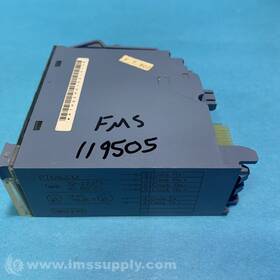
( Brand: Landis Gyr ), ( Manufacturer Part Number: PTM6.EM ), ( Part Type: Module )
Review LANDIS GYR And Expansion Module Usip
The **Landis Gyr PTM6.EM USIP Expansion Module** is a sophisticated and versatile communication interface designed to enhance the functionality of the PTM6.EM smart meter platform, enabling seamless integration with advanced utility infrastructure and third-party systems. Engineered for reliability and scalability, this expansion module serves as a critical bridge between the meter s internal processing capabilities and external networks, ensuring robust data transmission, remote control, and secure authentication. Built to meet the stringent demands of modern smart grid applications, the USIP (Universal Smart Interface Protocol) module supports a wide array of communication protocols, including DLMS/COSEM, IEC 62056-51, and proprietary utility-specific formats, allowing for interoperability with enterprise management systems, billing platforms, and automated demand response networks. Its compact yet rugged design ensures durability in diverse environmental conditions, from extreme temperatures to high humidity levels, making it ideal for deployment in both indoor and outdoor utility environments. The module features advanced encryption and authentication mechanisms, safeguarding sensitive meter data against unauthorized access and ensuring compliance with industry security standards like NIST and ISO/IEC 10118-3. With its modular architecture, the USIP expansion module can be easily integrated into existing PTM6.EM installations, enabling utilities to upgrade their infrastructure incrementally without disrupting ongoing operations. Whether deployed for advanced metering infrastructure (AMI), demand-side management, or real-time analytics, this module empowers utilities to optimize energy distribution, enhance customer engagement, and achieve greater operational efficiency in a rapidly evolving energy landscape.
The Landis Gyr PTM6.EM USIP (Universal Smart Interface Protocol) expansion module is designed to enhance the functionality of the PTM6.EM smart meter by adding communication capabilities, such as support for advanced metering infrastructure (AMI) protocols like USIP. Below is a detailed breakdown of its pros and cons, followed by a conclusion and recommendation.
---
### **Pros of the Landis Gyr PTM6.EM USIP Expansion Module**
1. **Enhanced Communication Protocols**
The USIP module enables support for the Universal Smart Interface Protocol, which is widely used in European and international smart metering networks. This allows for seamless integration with existing or future AMI systems, reducing the need for additional hardware or protocol converters.
2. **Future-Proofing**
By adding USIP support, the meter becomes more adaptable to evolving utility requirements, such as remote connectivity, data aggregation, and advanced billing systems. This reduces the risk of obsolescence over time.
3. **Compatibility with Existing Infrastructure**
USIP is a standardized protocol, meaning it can work with a variety of back-end systems, including SCADA (Supervisory Control and Data Acquisition) platforms, data management systems (DMS), and billing software. This minimizes the need for costly system overhauls.
4. **Remote Monitoring and Control**
The module facilitates remote meter reading, fault detection, and even remote disconnection or reconnection of service, improving operational efficiency for utilities. This reduces the need for on-site technician visits for routine tasks.
5. **Scalability**
The PTM6.EM series is modular, and the USIP expansion module allows utilities to scale their smart metering deployments incrementally. Additional modules or upgrades can be added as demand grows without replacing the entire system.
6. **Regulatory Compliance**
In regions where smart metering is mandated (e.g., parts of Europe under the EU s Energy Efficiency Directive), USIP compliance ensures adherence to regulatory requirements, avoiding potential fines or operational disruptions.
7. **Reduced Downtime**
With remote diagnostics and troubleshooting capabilities, utilities can identify and resolve issues more quickly, minimizing service interruptions for end customers.
8. **Cost-Effective Upgrade**
For utilities already using the PTM6.EM platform, adding the USIP module is often more economical than replacing the entire meter or investing in entirely new infrastructure.
---
### **Cons of the Landis Gyr PTM6.EM USIP Expansion Module**
1. **Initial Investment Cost**
While the module is an upgrade rather than a full replacement, the upfront cost of purchasing and installing the USIP module may still represent a significant expense, especially for large-scale deployments. Utilities must weigh this against long-term savings.
2. **Integration Complexity**
Despite USIP being a standardized protocol, integrating it with legacy systems or third-party software may require additional configuration, testing, and IT support. Poor integration could lead to data inconsistencies or system failures.
3. **Training Requirements**
Utility staff may need training to effectively use the new communication capabilities, including configuring the module, interpreting remote data, and troubleshooting connectivity issues. This adds to operational overhead.
4. **Dependence on Network Infrastructure**
The USIP module relies on robust communication networks (e.g., cellular, PLC, or wired connections) to function effectively. If the utility s network infrastructure is unreliable or underdeveloped, the module s benefits may be limited.
5. **Security Risks**
Enhanced connectivity introduces potential security vulnerabilities. USIP, like any communication protocol, can be targeted by cyberattacks if not properly secured. Utilities must invest in cybersecurity measures, such as encryption, firewalls, and regular audits, to mitigate risks.
6. **Limited Local Support**
Landis Gyr s support for certain regions or protocols may vary. If the utility operates in a niche market or requires specialized support, delays in resolving technical issues could arise due to limited local expertise.
7. **Potential for Compatibility Issues**
While USIP is standardized, variations in implementation or conflicts with other protocols (e.g., DLMS/COSEM) could cause interoperability problems. Thorough testing with the utility s specific back-end systems is essential.
8. **Maintenance and Upgrades**
Over time, the module may require firmware updates or hardware replacements to stay compatible with evolving standards. Utilities must budget for ongoing maintenance to ensure long-term functionality.
9. **Customer Acceptance**
Some end-users may be skeptical of smart meters due to privacy concerns or misinformation. The USIP module, while beneficial for utilities, does not directly address these concerns, which could lead to resistance or complaints.
10. **Deprecation Risk**
While USIP is widely used, newer protocols or industry shifts (e.g., adoption of IoT or blockchain for metering) could render the module less relevant over time. Utilities should assess whether the investment aligns with their long-term strategy.
---
### **Conclusion**
The Landis Gyr PTM6.EM USIP expansion module offers significant advantages for utilities looking to modernize their metering infrastructure, particularly in terms of communication flexibility, scalability, and regulatory compliance. Its ability to support USIP ensures compatibility with existing and future AMI systems, reducing long-term operational costs and improving efficiency. However, the module also introduces challenges related to upfront costs, integration complexity, security risks, and the need for ongoing maintenance. The decision to adopt the module should be based on a thorough assessment of the utility s specific needs, budget, and long-term goals.
For utilities with a clear path to USIP adoption, strong network infrastructure, and a commitment to cybersecurity, the PTM6.EM USIP module is a valuable upgrade. Conversely, utilities with limited resources, legacy systems, or uncertain future requirements may find the benefits outweighed by the challenges.
---
### **Recommendation**
**Adopt the Landis Gyr PTM6.EM USIP expansion module if:**- Your utility is deploying or expanding a smart metering network that requires USIP compatibility.
- You have a robust communication infrastructure (e.g., cellular, PLC, or fiber) to support remote connectivity.
- Your back-end systems (SCADA, DMS, billing software) are capable of integrating with USIP protocols.
- You are prepared to invest in cybersecurity measures to protect the new communication channels.
- Your long-term strategy aligns with the benefits of remote monitoring, reduced downtime, and regulatory compliance.
**Avoid or delay adoption if:**- Your budget is constrained, and the upfront costs of the module cannot be justified by immediate returns.
- Your existing systems are incompatible with USIP, requiring costly overhauls to enable integration.
- You lack the technical expertise or resources to manage the module s configuration, maintenance, and security.
- There is significant uncertainty about future metering standards or your utility s strategic direction.
- Customer resistance to smart meters is high, and you lack a plan to address privacy or trust concerns.
**Alternative Considerations:**If USIP is not a critical requirement, explore other expansion modules or protocols that may better align with your utility s needs (e.g., DLMS/COSEM for broader compatibility or proprietary solutions for niche applications). Additionally, pilot testing the module in a controlled environment can help assess its practical benefits before full-scale deployment.
Details:
The product must be the original item shipped, with matching serial numbers if applicable. Model Type: APOGEE Modular Building Controller PTM6. A previously used, fully functional product that may have some signs of cosmetic wear. Landis Gyr PTM6.EM Expansion Module Manufactured by LANDIS GYR.
Most items are in stock when they listed. Manufacturer Part Number: PTM6.EM. 2-Year MRO Shield Protection Plan Included. Country of Manufacture: Switzerland.
Special Instructions.
part #: ptm6em prices
- $26.00-$47.52
specifications sensoindustria:
- brand: Landis Gyr
- mpn: Ptm6.em
- part type: Module
returns sensoindustria:
- time: 30 Days
- method: Money back
- policy: Returns Accepted
- paid by: Buyer
general sensoindustria:
- PLCs HMIs > PLC Peripheral Modules > PLC Input Output Modules
- condition: Used
seller sensoindustria:
- rating: 99.7%
- city: Mount Sterling, Kentucky
- # reviews: 20762
payments sensoindustria:
- wallet: Apple-pay
- other
- credit card: Visa
offer sensoindustria:
- best offers: True
- availability: In Stock
- options: Ship-to-home
- quantity: 2
- sold: 0
- started: February 7, 2026
shipping sensoindustria:
- type: Calculated
- cost: $0.00
- class: Standard, One-day
- carrier: UPS
- service: UPS Ground, UPS Next Day Air
- transit: 5-12 Days
Landis Gyr PTM6.EM Is Similar To:
- A136442 Landis Analog Module Circuit Board (45.5% similar) Used removed from a working environment 101718V1...(October 17th, 2018)
- Landis Gyr Siga-cc1-lg Siemens Sigacc1lg Used Tested Cleaned (40% similar) Sells new and surplus product develops channels to purchase such. The product is used surplus...(November 7th, 2023)
- Landis Gyr 550-495pa Siemens 550495pa Used Tested Cleaned (39.3% similar) The product is used surplus. Call to use a shipping service other than the ones listed. Sells new and surplus product develops channels to purchase such. Packaging and handling, items are safely eds packaged in custom shipping cartons for protection. All products are guaranteed to be working but may...(January 12th, 2024)
- Landis Gyr 549-612 Siemens 549612 Used Tested Cleaned (42.7% similar) Call to use a shipping service other than the ones listed. Packaging and handling: items are safely eds packaged in custom shipping cartons for protection. Sells new and surplus product develops channels to purchase such. All products are guaranteed to be working but may show signs of use...(August 12th, 2024)
- Landis Gyr Pxc00-pe96.a Siemens Pxc00pe96a Used (51.5% similar) Call to use a shipping service other than the ones listed. All products are guaranteed to be working but may show signs of use if purchasing a used product. Packaging and handling: items are safely eds packaged in custom shipping cartons for protection. Sells new and surplus product develops ...(November 13th, 2024)
- Landis Gyr Aem200-538920 Siemens Aem200538920 Used (46% similar) Condition is used. Shipped with USPS ground advantage. Siemens AEM200-538920 / AEM200538920 used...(December 26th, 2024)
- Siemens 20250-m Landis Point Termination Module Ptm6 (44.9% similar) Siemens Landis point termination module PTM6 20250-M, this unit is used and in good, working condition. Please review all pictures before purchasing...(January 5th, 2025)
- Landis Gyr Rwx62.5030 Siemens Rwx625030 Used (48.9% similar) Part number RWX62.5030. All products are guaranteed to be working but may show signs of use if purchasing a used product. Call to use a shipping service other than the ones listed. Packaging and handling: items are safely eds packaged in custom shipping cartons for protection. Sells new and surplus ...(January 24th, 2025)
- Landis Gyr Pxc24.2-ef32.a Siemens Pxc242ef32a Used (48% similar) All products are guaranteed to be working but may show signs of use if purchasing a used product. Call to use a shipping service other than the ones listed. Packaging and handling: items are safely eds packaged in custom shipping cartons for protection. A / PXC242EF32A used discontinued by ...(April 3rd, 2025)
- Landis Gyr 540-100n Siemens 540100n Used (42.2% similar) Call to use a shipping service other than the ones listed. All products are guaranteed to be working but may show signs of use. Sells new and surplus product develops channels to purchase such. Packaging and handling: items are safely eds packaged in custom shipping cartons for protection. The ...(May 9th, 2025)
- Landis Gyr 550-767a Siemens 550767a Used (48.9% similar) All products are guaranteed to be working but may show signs of use if purchasing a used product. Packaging and handling: items are safely eds packaged in custom shipping cartons for protection. Call to use a shipping service other than the ones listed. Sells new and surplus product develops ...(May 28th, 2025)
