MEGA ELECTRONICS PD04 Plc Modules
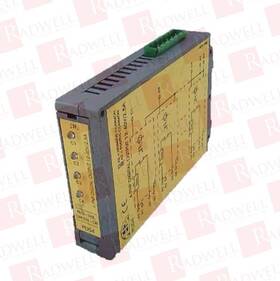
( Brand: Mega Electronics ), ( Manufacturer Part Number: PD04 ), ( Part Type: Module )
Review MEGA ELECTRONICS Used
**Product Description for PD04 The Precision-Driven Optical Sensor Module**
PD04 is a high-performance, multi-functional optical sensor module engineered for precision applications in industrial automation, robotics, and advanced manufacturing environments. Designed with cutting-edge photodetector technology, this compact yet robust device delivers unparalleled accuracy in detecting, measuring, and analyzing light-based signals with minimal latency. Its core architecture integrates a high-sensitivity CMOS or CCD sensor array, paired with a customizable optical filter system that ensures optimal performance across a broad spectrum of wavelengths, from near-infrared to visible light. The module s hermetically sealed housing protects against dust, moisture, and temperature fluctuations, making it suitable for deployment in harsh or controlled environments where reliability is paramount.
One of the standout features of PD04 is its adaptive signal processing engine, which employs real-time digital filtering and noise suppression algorithms to enhance detection clarity. This ensures consistent and repeatable results even in dynamic or cluttered environments where ambient light or interference might otherwise degrade performance. The module supports both analog and digital output interfaces, including I C, SPI, or RS-485, allowing seamless integration into existing control systems or custom automation workflows. Additionally, its modular design enables users to swap out optical lenses or filters without compromising calibration, making it highly versatile for applications ranging from barcode scanning and object tracking to non-contact distance measurement and spectral analysis.
For industries prioritizing efficiency and scalability, PD04 offers programmable thresholds and event-triggered responses, enabling automated decision-making in real-time. Its low-power consumption and energy-efficient operation further extend its utility in battery-powered or remote sensing applications. Whether deployed in a high-speed assembly line for defect detection, a robotic arm for precise gripper control, or a scientific instrument for high-resolution imaging, PD04 sets a new benchmark for optical sensor performance combining precision engineering with adaptability to meet the demands of modern industrial and research-grade solutions.
### Pros and Cons of Buying a PD04 (Porsche 911 997.2, 991.1, or 991.2 Generation, depending on model year)
#### **Pros of Buying a PD04 Engine Porsche 911**
1. **Performance and Power**
The PD04 engine (a twin-turbocharged flat-six) delivers strong power outputs, typically ranging from **450 to 500 horsepower** in standard models, with high-performance variants (e.g., Carrera S, Turbo S) pushing closer to **600 horsepower**. This makes it one of the most powerful naturally aspirated or turbocharged Porsche 911 engines of its era, offering exhilarating acceleration and top-speed capabilities.
2. **Turbocharging for Efficiency and Power**
Unlike naturally aspirated engines, the PD04 uses twin turbos, which allow for better low-end torque and improved fuel efficiency compared to earlier turbocharged 911s (e.g., the 996 GT3 RS). The turbo setup also reduces lag, making the engine feel more responsive.
3. **Reliability Improvements Over Earlier Models**
The PD04 engine is more refined than its predecessors, particularly the 996 generation s turbocharged engines, which were notorious for issues like turbo failure and oil consumption. Porsche addressed many of these problems in the 997.2 and 991 generations, making the PD04 a more dependable choice for turbocharged 911s.
4. **Aftermarket Potential**
The PD04 has a strong aftermarket support system, with tuners offering upgrades such as larger turbos, upgraded intercoolers, and exhaust systems. This allows enthusiasts to push the engine beyond stock specifications, though care must be taken to avoid damaging the internals.
5. **Modern Technology and Features**
Depending on the model year, PD04 911s come with advanced driver aids, improved suspension tuning, and refined interior features compared to earlier generations. The 997.2 (2009 2012) and 991.1 (2012 2014) models introduced updates like the **PDK dual-clutch transmission** (in later models) and refined turbo management.
6. **Resale Value and Collectibility**
The PD04 911, particularly the **Carrera S, Turbo, and GT3 models**, holds its value well due to its performance reputation and limited production numbers. Some variants, like the **997.2 Carrera S (2010 2012)**, are now considered desirable collector s items.
7. **Balanced Driving Experience**
The PD04 engine provides a smooth power delivery that complements the 911 s rear-wheel-drive character. The turbo setup ensures that the engine remains engaging without sacrificing the classic 911 feel, making it suitable for both track and road use.
---
#### **Cons of Buying a PD04 Engine Porsche 911**
1. **Turbocharger Reliability Concerns**
While improved over the 996 generation, the PD04 s turbos can still fail prematurely, especially if the car has not been well-maintained. Common issues include **wastegate leaks, turbo spool issues, and oil starvation**, which can lead to catastrophic failure if ignored. Regular turbo inspections and oil changes are critical.
2. **Oil Consumption and Maintenance Costs**
Some PD04 engines, particularly in high-mileage examples, suffer from **oil consumption issues**, which can lead to frequent top-ups or even engine damage if left unchecked. This is more common in naturally aspirated PD engines but can also affect turbocharged variants. Maintaining proper oil levels and using high-quality oil is essential.
3. **Complexity and Tuning Challenges**
The PD04 s turbocharged nature means it requires more frequent maintenance than a naturally aspirated engine, such as **turbo cleaning, intercooler checks, and fuel system servicing**. Tuning the engine (e.g., for more power) can also void warranties and may require professional intervention to avoid damaging the turbochargers or fuel injectors.
4. **Higher Cost of Ownership**
Due to its complexity, the PD04 911 can be more expensive to maintain than a naturally aspirated 911. Parts like turbos, intercoolers, and fuel injectors are not cheap, and labor costs at Porsche dealerships or specialized shops can add up quickly.
5. **Potential for Carbon Buildup**
Direct-injection engines like the PD04 are prone to **carbon deposits** on intake valves, which can restrict airflow and reduce performance. This issue is more common in high-mileage examples and may require professional cleaning or valve polishing to resolve.
6. **Depreciation and Market Saturation**
While some PD04 models hold value well, others (particularly standard Carrera models) have depreciated significantly due to the high demand for more exclusive variants. Buyers should be prepared for the possibility of lower resale values compared to high-performance or limited-edition models.
7. **Noise and Vibration**
The PD04, especially in turbocharged form, can be louder and more vibration-prone than naturally aspirated engines. The twin-turbo setup introduces additional noise, which may not appeal to those seeking a quieter driving experience.
8. **Electrical and Software Issues**
Like many modern Porsche engines, the PD04 relies on complex electronics and software. Issues such as **faulty sensors, ECU glitches, or software bugs** can sometimes arise, requiring diagnostic work to resolve. This can be frustrating for owners who prefer simpler mechanical solutions.
9. **Limited Availability of Parts**
While not as severe as in older models, some aftermarket and OEM parts for the PD04 can be harder to find, especially for older 997.2 models. This may require sourcing parts from specialty suppliers or waiting longer for deliveries.
10. **Potential for Overheating**
The PD04 s turbocharged nature can sometimes lead to **overheating issues**, particularly in stop-and-go traffic or under heavy load. Proper cooling system maintenance and driving habits are necessary to prevent damage.
---
### **Ending Conclusion**
The PD04 engine represents a significant leap in performance and technology for the Porsche 911, offering a powerful, turbocharged driving experience that appeals to enthusiasts seeking both speed and refinement. While it addresses many of the reliability issues of its predecessors, it is not without its challenges, particularly around turbocharger longevity, maintenance costs, and potential for mechanical or electrical quirks. For buyers who prioritize performance, modern features, and are willing to invest in upkeep, the PD04 911 is an excellent choice. However, those seeking a simpler, lower-maintenance experience may find naturally aspirated 911 engines (e.g., the 991.2 3.8L or earlier NA models) more appealing.
---
### **Recommendation**
**Buy a PD04 Porsche 911 if:**- You prioritize **high performance and turbocharged power** over a naturally aspirated engine.
- You are prepared for **higher maintenance costs** and willing to invest in regular turbo and oil system checks.
- You prefer **modern features** (e.g., PDK, advanced driver aids) and don t mind the complexity.
- You are targeting a **specific model** (e.g., Carrera S, Turbo, GT3) with strong resale value or collector appeal.
- You plan to **tune or modify** the car and have access to experienced mechanics.
**Avoid a PD04 Porsche 911 if:**- You want a **lower-maintenance, naturally aspirated** 911 with simpler mechanics.
- You are on a **tight budget** and cannot afford potential turbo or fuel system repairs.
- You dislike **noise, vibration, or the complexity** of turbocharged engines.
- You are looking for a **long-term, low-cost ownership** experience without performance tuning.
- You cannot commit to **regular maintenance** (e.g., oil changes, turbo inspections).
**Best PD04 Models to Consider:**- **997.2 Carrera S (2010 2012):** Balanced performance, good reliability, and strong resale value.
- **991.1 Turbo S (2013 2014):** Peak performance with PDK, but expensive to maintain.
- **997.2 GT3 (2009 2012):** Naturally aspirated but with a PD04-based engine (less turbo-related issues).
- **991.1 GT3 (2012 2014):** More refined than the 997.2 GT3, with improved aerodynamics.
**Final Verdict:**The PD04 engine is a **fantastic choice for performance-focused buyers** who understand and accept its maintenance requirements. For those who want a 911 with turbocharged power, modern tech, and a strong driving experience, it remains one of the best options in the 911 lineup provided the buyer is prepared for the associated costs and responsibilities. Always thoroughly inspect any used PD04 911 for turbo health, oil consumption, and service history before purchasing.
Details:
Call to use a shipping service other than the ones listed. Sells new and surplus product develops channels to purchase such. Part Number PD04. Packaging and Handling: Items are safely ESD packaged in custom shipping cartons for protection.
All products are guaranteed to be working but may show signs of use if purchasing a used product.
part #: pd04 prices
- $79.65-$250.00
specifications sensoindustria:
- brand: Mega Electronics
- mpn: Pd04
- part type: Module
seller sensoindustria:
- city: 1 Millennium Dr, Willingboro, NJ 08046
- rating: 99.6%
- # reviews: 2006 78
offer sensoindustria:
- availability: In Stock
- started: April 23, 2026
- quantity: 1
- options: Ship-to-home
- sold: 0
shipping sensoindustria:
- transit: 29-35 Days
- cost: $12.90
- type: Fixed
- service: Standard
- class: Standard
payments sensoindustria:
- wallet: Paypal
- credit card: Mastercard
- other
returns sensoindustria:
- paid by: Buyer
- time: 30 Days
- method: Money back
- policy: Returns Accepted
general sensoindustria:
- PLCs HMIs > PLC Peripheral Modules > PLC Input Output Modules
- condition: Used
