SAIA PCA2-A4 Board PCA2.A4
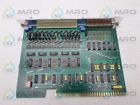
( Brand: Saia ), ( Manufacturer Part Number: PCA2-A4 ), ( Part Type: Board )
Review SAIA Output Board Used
PCA2-A4 SAIA Board - Versatile and Powerful Programmable Controller
The PCA2-A4 SAIA Board is a remarkable addition to any electronics project, offering a robust and flexible solution for automation and control applications. This board, designed by SAIA Burgess, is based on the PIC18F45K22 microcontroller, which boasts a 50 MHz clock speed and an impressive 14-bit ADC resolution, ensuring high-speed and accurate data handling.
The PCA2-A4 board is equipped with an array of input/output pins, including 8 digital I/O lines, 5 analog input lines, and 3 PWM outputs, providing ample flexibility for interfacing with various sensors, actuators, and other electronic components. Additionally, it features a real-time clock with battery backup, ensuring accurate timekeeping even in the absence of external power.
The board also integrates an Ethernet connection, allowing for seamless communication with other network devices, making it ideal for industrial automation, home automation, and IoT projects. Furthermore, it includes a USB-to-UART bridge, enabling easy programming and debugging through a standard USB connection.
The PCA2-A4 SAIA Board is a well-documented and supported platform, with extensive resources available online, including example projects, application notes, and software libraries. It is compatible with the MPLAB X Integrated Development Environment (IDE) from Microchip, which simplifies the development process and speeds up the prototyping of your projects.
In conclusion, the PCA2-A4 SAIA Board is a versatile and powerful programmable controller, offering a wide range of features and interfaces for a vast array of applications. Whether you're a hobbyist or a professional, this board provides an excellent foundation for your next electronics project.
The PCA2-A4 SAIA Board is a programmable controller board designed for various automation projects. Here are some pros and cons to help you make an informed decision:
Pros:1. Wide Range of Applications: PCA2-A4 is compatible with various sensors, actuators, and communication protocols, making it suitable for a broad range of automation projects.
2. Easy Programming: The board uses a simple programming language (SAIA-LAD) which is easy to learn, even for beginners.
3. Cost-Effective: Compared to other programmable controllers, the PCA2-A4 is relatively affordable, making it a good choice for hobbyists and small businesses.
4. Open-Source Community: SAIA offers a supportive community where users can share ideas, troubleshoot issues, and find solutions, which can be very helpful for beginners.
Cons:1. Limited Processing Power: Due to its low price, the PCA2-A4 has limited processing power, which may not be suitable for complex projects requiring high computational power.
2. Proprietary Software: While the programming language is easy to learn, it is proprietary to SAIA, and users may have difficulty migrating their projects to other platforms.
3. Documentation: Some users have reported that the documentation provided by SAIA could be improved, which might cause confusion for beginners.
Conclusion:If you're a beginner or hobbyist looking to get started with automation projects, the PCA2-A4 SAIA Board could be a good choice due to its ease of programming, wide range of applications, and cost-effectiveness. However, if you're working on a project that requires high computational power or you prefer using open-source software, you might want to consider other options.
Recommendation:If you're a beginner and your project requirements are not too complex, the PCA2-A4 SAIA Board could be a good starting point for you. If you're more experienced or working on a complex project, you might want to consider other programmable controller boards with more processing power and open-source software.
Details:
If another carrier such as ups or FedEx is required to ship due the size, then shipping costs may change.
part #: pca2a4 prices
- $350.00-$360.00
specifications sensoindustria:
- brand: Saia
- mpn: Pca2-a4
- part type: Board
Returns sensoindustria:
- paid by: Buyer
- policy: returns accepted
- time: 30 Days
- details: 30 day money back guarantee on DOA dead on arrival items. All other returns must be approved with mroglobalsolutions and will incur a 25% restocking fee.
- type: Money Back
Shipping sensoindustria:
- type: Calculated
- handling: 1 days
Payments sensoindustria:
- PayPal
General sensoindustria:
- in stock: Yes
- business industrial > electrical test equipment > industrial automation control business industrial > sensors industrial automation control
- condition: Used
Seller sensoindustria:
- city: Knoxville, Tennessee
- zipcode: 37915
Ratings:
- Good transaction, fast shipping, would buy from again. 02-28-18
- Smooth transaction, prompt shipping. 02-28-18
- fast shipping -- accurate 02-28-18
- excellent 02-28-18
- as always no problems, great seller A 02-28-18
Offer sensoindustria:
- bids: 0
- quantity: 1
- Started: February 28, 2018, 7:26 am
- best offer: true
- Sold: 0
Saia PCA2-A4 Is Similar To:
- Pca2-e1 Saia Board Used (79.2% similar) If another carrier such as ups or FedEx is required to ship due the size, then shipping costs may change...(February 28th, 2018)
- Saia Burgess Pcd3.a460 Digital Output Module 16 (39% similar) You are buying on the item listed in title. Sometimes my may be brief, but I put most of time and effort in providing numerous high quality images the item being listed. Shipping and packing material is not factored into shipping comes out of my pocket. As always I try to give as many pictures for ...(October 3rd, 2024)
- Saia Burgess Pcd3.f150 Johnson Electric Pcd3f150 Used (30.6% similar) Packaging and handling: items are safely eds packaged in custom shipping cartons for protection. Johnson electric PCD3.F150 / PCD3F150 used discontinued by manufacturer, analog input module, 8 channel, 12 bit. Call to use a shipping service other than the ones listed. Sells new and surplus product ...(December 14th, 2024)
- Saia Pcd3.a400 Burgess Output Module (45.5% similar) Part #: Saia PCD3.A400 for sale...(February 11th, 2025)
- Saia Burgess Pcd2.k521 Johnson Electric Pcd2k521 Used (30.6% similar) Packaging and handling: items are safely eds packaged in custom shipping cartons for protection. All products are guaranteed to be working but may show signs of use if purchasing a used product. Call to use a shipping service other than the ones listed. Sells new and surplus product develops ...(March 27th, 2025)
- Saia Burgess Pcd2.e160 Johnson Electric Pcd2e160 Used (30.6% similar) Call to use a shipping service other than the ones listed. All products are guaranteed to be working but may show signs of use if purchasing a used product. Packaging and handling: items are safely eds packaged in custom shipping cartons for protection. Johnson electric PCD2.E160 / PCD2E160 used ...(March 27th, 2025)
- Saia Burgess Pcd2.m1 Johnson Electric Pcd2m1 Used (32.1% similar) Packaging and handling: items are safely eds packaged in custom shipping cartons for protection. Call to use a shipping service other than the ones listed. All products are guaranteed to be working but may show signs of use if purchasing a used product. Sells new and surplus product develops ...(March 28th, 2025)
- Saia Burgess Pcd2.m150 Johnson Electric Pcd2m150 Used (30.6% similar) Call to use a shipping service other than the ones listed. All products are guaranteed to be working but may show signs of use if purchasing a used product. Sells new and surplus product develops channels to purchase such. Johnson electric PCD2.M150 / PCD2M150 used discontinued by manufacturer, plc ...(March 28th, 2025)
- Saia-burgess Pcd3.e160 Saia-burgess A1 16 Inputs 24vdc 4171289 Used Working (34.3% similar) Saia-Burgess PCD3.E160 a1 16 inputs 24VDC 4171289 used working...(July 8th, 2025)
- Saia Burgess Pcd3.m9k47 Johnson Electric Pcd3m9k47 Used (29.9% similar) All products are guaranteed to be working but may show signs of use if purchasing a used product. Packaging and handling: items are safely eds packaged in custom shipping cartons for protection. Call to use a shipping service other than the ones listed. Sells new and surplus product develops ...(July 14th, 2025)
- Saia Burgess Pcd3.w220 Johnson Electric Pcd3w220 Used (30.6% similar) Call to use a shipping service other than the ones listed. All products are guaranteed to be working but may show signs of use if purchasing a used product. Packaging and handling: items are safely eds packaged in custom shipping cartons for protection. Johnson electric PCD3.W220 / PCD3W220 used ...(August 5th, 2025)
