BAILEY CONTROLS NKTU01-12 Asea Boveri
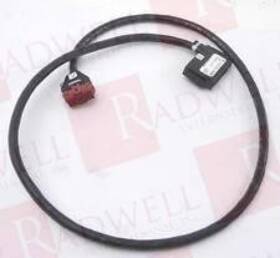
( Brand: Bailey Controls ), ( Manufacturer Part Number: NKTU01-12 ), ( Part Type: Boveri )
Review BAILEY CONTROLS Asea Brown Boveri Nktu0112 Used
The **NKTU01-12** from **ABB (formerly ASEA Brown Boveri)** is a robust and high-performance **medium-voltage, vacuum circuit breaker** designed for demanding applications in industrial, commercial, and utility power distribution systems. Part of ABB s long-standing NKTU series, this breaker is engineered to provide reliable protection for electrical networks operating at **12 kV** (or equivalent voltages in other configurations), ensuring seamless operation while safeguarding equipment from faults such as short circuits, overloads, and transient surges. Its **vacuum interrupter technology** delivers exceptional arc-quenching efficiency, minimizing contact erosion and extending the breaker s operational lifespan compared to traditional oil or SF -based alternatives. The NKTU01-12 features a **compact yet sturdy design**, optimized for easy installation in switchgear panels, substations, or motor control centers, where space efficiency and mechanical durability are critical. Its **modular construction** allows for flexible integration with various trip units, including electronic or electromagnetic types, enabling precise fault detection and rapid disconnection often within milliseconds to prevent cascading failures. The breaker s **high interrupting capacity** (typically rated for **20 kA or higher**) ensures it can handle severe fault currents without compromising system stability, while its **low operating energy requirements** contribute to energy-efficient performance. Additionally, the NKTU01-12 incorporates **advanced mechanical interlocking systems** and **fail-safe mechanisms**, enhancing safety for maintenance personnel and reducing the risk of misoperation. Built to meet stringent international standards such as **IEC 62271-100** and **IEEE C37.04**, this circuit breaker is ideal for applications in **industrial plants, renewable energy systems, commercial buildings, and utility networks**, where reliability and performance under harsh environmental conditions are non-negotiable. Whether deployed in new installations or retrofitted into existing infrastructure, the NKTU01-12 exemplifies ABB s legacy of innovation in electrical protection, offering a blend of precision engineering, longevity, and adaptability to modern power distribution challenges.
### **Analysis of the NKTU01-12 (ASEA Brown Boveri) Traction Motor**
The **NKTU01-12** is a DC traction motor originally manufactured by **ASEA Brown Boveri (ABB)** and later produced under license by other manufacturers. It was widely used in electric locomotives, trams, and railcars, particularly in Europe and Asia. Below is a detailed assessment of its pros and cons, followed by a conclusion and recommendation.
---
### **Pros of the NKTU01-12**
1. **Proven Reliability and Durability**
- The NKTU01-12 has a long operational history, with many units still in service after decades of use. Its robust construction and mechanical design have contributed to its reputation for durability, especially in heavy-duty rail applications.
- The motor is built to withstand harsh conditions, including frequent starts/stops, high loads, and varying environmental temperatures, making it suitable for extensive rail service.
2. **High Power Output and Efficiency**
- The motor is designed for high torque and power output, making it ideal for pulling heavy loads, including passenger trains and freight. Its efficiency in converting electrical energy into mechanical power is relatively high for its class.
- The **12-pulse rectifier** (or similar control systems) used with these motors ensures smooth power delivery, reducing mechanical stress on the drivetrain.
3. **Compatibility with Existing Infrastructure**
- The NKTU01-12 is designed to integrate seamlessly with older rail electrification systems, particularly those using **15 kV AC or 3 kV DC** overhead lines. This makes it a practical choice for fleets operating on legacy networks.
- Its mechanical and electrical interfaces are standardized, allowing for easier maintenance and part sourcing compared to newer, proprietary designs.
4. **Proven Maintenance and Spare Parts Availability**
- Due to its widespread use, spare parts and service manuals are still available from original equipment manufacturers (OEMs) or third-party suppliers. This reduces downtime and repair costs.
- The motor s simplicity in design (compared to modern inverter-controlled AC motors) means that mechanics with traditional rail expertise can service it without specialized training.
5. **Cost-Effective for Legacy Fleets**
- For operators maintaining older fleets, the NKTU01-12 offers a cost-effective solution. Retrofitting or replacing these motors with newer technology may not always be justified if the existing fleet is still operational and reliable.
- The initial purchase cost is lower than that of modern traction motors, especially when considering the total cost of ownership over the motor s lifespan.
6. **Flexibility in Control Systems**
- The motor can be paired with various control systems, including **resistor control, thyristor chopper control, or modern IGBT-based inverters**, depending on the application. This adaptability extends its useful life as rail technology evolves.
---
### **Cons of the NKTU01-12**
1. **Outdated Technology**
- The NKTU01-12 is a **DC motor**, which is inherently less efficient and more complex to control compared to modern **AC traction motors** (e.g., asynchronous or permanent magnet synchronous motors). DC motors require brushes and commutators, leading to higher maintenance and wear.
- Modern AC motors offer better regenerative braking, smoother acceleration, and lower energy consumption, which can significantly improve operational efficiency.
2. **Higher Maintenance Requirements**
- DC motors require regular **brush replacements**, commutator inspections, and alignment checks. Brush wear can lead to arcing and reduced performance, increasing maintenance frequency.
- The mechanical components (e.g., bearings, cooling fans) may also degrade over time, requiring more frequent inspections and replacements than AC motors.
3. **Lower Energy Efficiency**
- DC motors are less energy-efficient than their AC counterparts, particularly in modern rail applications where energy savings and environmental regulations are critical. AC motors can achieve **higher efficiency ratings (up to 95%)**, reducing operational costs.
- The use of **chopper control** (for speed regulation) in DC motors introduces additional losses compared to vector control in AC motors.
4. **Limited Modernization Potential**
- While the NKTU01-12 can be retrofitted with modern control systems, replacing the motor itself with an AC unit may be more beneficial in the long run. Retrofitting a DC motor with an inverter can be costly and may not fully address efficiency or performance gaps.
- Modern traction systems often use **digital control and diagnostics**, which are not natively compatible with older DC motor architectures.
5. **Weight and Space Considerations**
- DC motors, including the NKTU01-12, tend to be **heavier** than modern AC motors due to their mechanical complexity. This can impact the overall weight distribution of a rail vehicle, potentially affecting traction and energy consumption.
- The physical size of the motor may also limit its use in newer, more compact railcar designs.
6. **Regulatory and Environmental Concerns**
- Older DC traction systems may not meet **current emissions or noise regulations**, particularly in urban tram or metro applications. Modern AC motors with regenerative braking can help reduce energy consumption and environmental impact.
- The use of **lead-acid batteries** (common in older DC systems) is being phased out due to environmental and safety concerns, whereas modern systems often use lithium-ion or other advanced battery technologies.
7. **Skill Gap in Maintenance**
- As rail fleets modernize, there is a growing shortage of technicians with expertise in **DC motor maintenance**. This can lead to higher labor costs or reliance on specialized contractors for repairs.
- In contrast, AC motor systems are more aligned with modern electrical engineering practices, making them easier to service with a broader pool of skilled workers.
---
### **Conclusion**
The **NKTU01-12** remains a **practical and reliable choice** for operators maintaining legacy fleets or those with limited budgets for modernization. Its **proven durability, availability of spare parts, and compatibility with older infrastructure** make it a sound investment for short-to-medium-term use. However, its **outdated technology, higher maintenance needs, and lower efficiency** position it as a **less optimal solution** for new or long-term rail applications.
For **new procurements or major fleet upgrades**, modern **AC traction motors** (e.g., ABB s ACS880, Siemens ASiG, or Hitachi s IMU) offer **superior efficiency, lower maintenance, and better performance**. These motors align with current industry trends toward **digitalization, energy savings, and reduced environmental impact**.
---
### **Recommendation**
1. **For Existing Fleets with NKTU01-12 Motors:**- **Continue using them** if they are still in good condition and the fleet is not being retired soon. Focus on **predictive maintenance** to extend their operational life.
- **Consider retrofitting** with modern control systems (e.g., inverters) to improve efficiency and reduce maintenance, but be prepared for higher upfront costs.
- **Phase out** the motors gradually as they reach end-of-life, replacing them with **AC traction motors** in new builds or major refurbishments.
2. **For New Rail Vehicle Procurements:**- **Avoid purchasing new NKTU01-12 motors** unless absolutely necessary for compatibility with legacy systems. Instead, opt for **modern AC traction motors** that offer better efficiency, lower lifecycle costs, and future-proofing.
- If budget constraints are a concern, **hybrid solutions** (e.g., using NKTU01-12 in secondary applications where efficiency is less critical) may be justified, but this should be a temporary measure.
3. **For Operators Considering Upgrades:**- Conduct a **cost-benefit analysis** comparing the **total cost of ownership (TCO)** of retaining NKTU01-12 motors versus upgrading to AC motors. Factors to consider include:
- **Energy savings** from higher efficiency.
- **Reduced maintenance costs** over time.
- **Operational flexibility** (e.g., regenerative braking for energy recovery).
- **Regulatory compliance** (e.g., emissions, noise).
- If the analysis favors modernization, **prioritize AC traction motors** with **digital diagnostics** and **modular design** for easier maintenance.
4. **For Second-Hand Market:**- The NKTU01-12 remains a **valuable asset in the second-hand market**, particularly for operators in regions where DC traction is still prevalent. However, buyers should **assess the motor s condition thoroughly** (brush wear, commutator health, bearing integrity) before purchase.
- **Negotiate based on remaining useful life** rather than just upfront cost, as maintenance expenses will likely outweigh initial savings over time.
---
### **Final Verdict**
The **NKTU01-12 is a sound choice for legacy operations** where reliability and cost-effectiveness are prioritized over cutting-edge technology. However, for **new or future-proofed rail applications**, modern AC traction motors are the **superior long-term solution**. Operators should weigh their **strategic goals** whether preserving existing infrastructure or adopting next-generation technology to make the best decision.
Details:
All products are guaranteed to be working but may show signs of use if purchasing a used product. Call to use a shipping service other than the ones listed. Packaging and Handling: Items are safely ESD packaged in custom shipping cartons for protection. Sells new and surplus product develops channels to purchase such.
part #: nktu0112 prices
- $177.39-$2150.00
specifications sensoindustria:
- brand: Bailey Controls
- mpn: Nktu01-12
- part type: Boveri
seller sensoindustria:
- city: 1 Millennium Dr, Willingboro, NJ 08046
- rating: 99.6%
- # reviews: 194278
offer sensoindustria:
- quantity: 1
- availability: In Stock
- started: March 13, 2026
- sold: 0
- options: Ship-to-home
shipping sensoindustria:
- type: Fixed
- service: Standard
- transit: 24-36 Days
- cost: $12.90
- class: Standard
payments sensoindustria:
- credit card: Visa
- other
- wallet: Paypal
returns sensoindustria:
- policy: Returns Accepted
- method: Money back
- time: 30 Days
- paid by: Buyer
general sensoindustria:
- PLCs HMIs > PLC Peripheral Modules > PLC Input Output Modules
- condition: Used
Bailey Controls NKTU01-12 Is Similar To:
- Iepas01 Bailey Controls Modular Power System Manual (47.3% similar) Includes the E96-506 update as shown original manual plus. E96-506 manual for all of the modular power system including IEPAS01 Bailey Controls NETWORK90 INFI90...(February 7th, 2019)
- Nkds05-5 Bailey Controls Cable (40.4% similar) NKDS05-5 digital logic station cable...(December 14th, 2018)
- Nklm01-10 Bailey Controls Cable (40% similar) NKLM01-10 communications interface cable Lima to NTPL01...(January 13th, 2019)
- Nrio02 Bailey Controls Remote Module Manual (41.2% similar) E93 manual for NRIO02 remote input output module...(February 7th, 2019)
- Stt02e Bailey Used Handheld Smart (23.9% similar) Bailey STT02E used handheld smart transmitter terminal powers up with A/C adapter...(November 17th, 2017)
- Bailey Controls P-hb-ain-2200c200 Asea Brown Boveri Phbain2200c200 Used (68.2% similar) Sells new and surplus product develops channels to purchase such. Packaging and handling, items are safely eds packaged in custom shipping cartons for protection. The product is used surplus...(December 30th, 2023)
- Bailey Namm02 Controls Network 90 Analog Master Module (47.8% similar) The item must be in the exact same condition as when first shipped and preferably packaging...(January 31st, 2024)
- Bailey Niao01 Used Network 90 I o Term Mod-analog Output Module 6636156a1 Rev.b (21.7% similar) Bailey i/o term mod-analog output module, model: NIAO01, system: network 90, part no. 6636156A1, rev...(September 13th, 2024)
- Bailey Niam02 Used Network 90 Term Mod-analog Master Module 6637052a1 Rev.a (23.9% similar) Bailey i/o term analog master module, model: NIAM02, system: network 90, part no. 6637052A1, rev...(September 13th, 2024)
- Bailey Nirl03 Used Network 90 Remote Link Termination Unit Mod 663742ia2 Rev.d (21.9% similar) Bailey remote link termination unit module, model: NIRL03, system: network 90, part no. 6633742IA2, rev...(September 13th, 2024)
- Bailey Nipl01 Used Network 90 I o Plant Loop Termination Mod 6636093a1 Rev B (21.9% similar) 6636093A1, rev. Bailey plant loop termination module, model: NIPL01, system: network 90, part no...(September 16th, 2024)
