YOKOGAWA NFM009-A13 Module Cli Div I/o
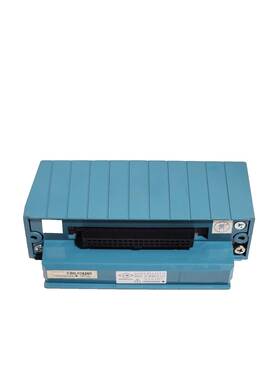
( Brand: Yokogawa ), ( Manufacturer Part Number: NFM009-A13 ), ( Part Type: Module ), ( Unit Type: Unit ), ( Unit Quantity: No ), ( Country Of Origin: Indonesia )
Review YOKOGAWA I/o Module Cli
Yokogawa NFM009-A13 I/O Module (CLI Division)
The Yokogawa NFM009-A13 I/O Module, a part of the CLI (Control and Communication Layer Integrated) Division, is a versatile and high-performance input/output device designed for industrial automation applications. This module offers a robust solution for seamless integration into various industrial control systems.
The NFM009-A13 I/O Module supports a wide range of input and output configurations, allowing users to customize their system according to specific application requirements. It offers up to 96 digital I/O points, including 24 high-speed inputs and 64 high-speed outputs, as well as 16 analog inputs and 4 analog outputs.
One of the key features of this module is its high-speed communication capability. It supports various industrial protocols such as EtherNet/IP, Modbus TCP, and Profinet, ensuring compatibility with a wide array of devices and systems. The NFM009-A13 also features a built-in web server for easy configuration and monitoring.
The Yokogawa NFM009-A13 I/O Module is designed with reliability in mind. It employs an advanced error detection and correction mechanism to minimize communication errors, ensuring stable and uninterrupted operation. The module is also ruggedized to withstand harsh industrial environments, featuring a wide operating temperature range, dust and water protection (IP65), and shock and vibration resistance.
In summary, the Yokogawa NFM009-A13 I/O Module is a versatile and high-performance input/output device suitable for various industrial automation applications. Its wide range of I/O configurations, high-speed communication capabilities, and robust design make it an ideal choice for users seeking a reliable and flexible solution for their industrial control systems.
The Yokogawa NFM009-A13 I/O Module CLI Division is a versatile and high-performance I/O module designed for various industrial automation applications. Here are some pros and cons to consider:
Pros:1. High-density design: The NFM009-A13 offers a high-density configuration, allowing for the integration of multiple inputs and outputs in a compact form factor.
2. Wide range of applications: This I/O module supports a variety of analog and digital inputs and outputs, making it suitable for a wide range of industrial automation applications.
3. Modular design: The modular design of the NFM009-A13 allows for easy expansion and customization, making it a scalable solution for growing applications.
4. Robust construction: The NFM009-A13 is built to withstand harsh industrial environments, ensuring reliable operation over extended periods.
5. CLI (Command Line Interface) support: The CLI interface allows for easy configuration, monitoring, and troubleshooting of the I/O module from a remote location.
Cons:1. High cost: The NFM009-A13 is a premium product and may be more expensive compared to other I/O modules in the market.
2. Requires technical expertise: The CLI interface may be intimidating for users who are not familiar with command-line-based systems.
3. Limited communication protocols: The NFM009-A13 supports a limited number of communication protocols, which may not be compatible with all existing systems.
4. Potential compatibility issues: As with any third-party device, there may be potential compatibility issues when integrating the NFM009-A13 with existing hardware and software.
Conclusion:The Yokogawa NFM009-A13 I/O Module CLI Division is a high-quality, high-performance I/O module suitable for various industrial automation applications. Its modular design, wide range of inputs and outputs, and robust construction make it a versatile and reliable solution. However, its high cost and potential compatibility issues should be carefully considered before making a purchase decision.
Recommendation:If budget is not a concern and compatibility with existing systems has been confirmed, the Yokogawa NFM009-A13 I/O Module CLI Division is a recommended choice for industrial automation applications requiring high-density I/O configurations and CLI-based management. For users with limited technical expertise or budget constraints, it may be worth considering other I/O modules with more user-friendly interfaces and lower costs.
Details:
part #: nfm009a13 prices
- $100.00-$145.52
specifications sensoindustria:
- brand: Yokogawa
- mpn: Nfm009-a13
- part type: Module
- unit type: Unit
- unit quantity: No
- country of origin: Indonesia
seller sensoindustria:
- rating: 99.1%
- city: Houston, Texas
- # reviews: 31364
general sensoindustria:
- PLCs HMIs > PLC Peripheral Modules > PLC Input Output Modules
- condition: Used
offer sensoindustria:
- started: November 13, 2025
- sold: 0
- best offers: True
- availability: In Stock
- quantity: 5
- options: Ship-to-home
returns sensoindustria:
- policy: No Returns
payments sensoindustria:
- other
- wallet: Google-pay
- credit card: Mastercard
shipping sensoindustria:
- class: Standard
- transit: 5-11 Days
- cost: $12.99
- carrier: USPS
- type: Fixed
- service: USPS Ground Advantage
Yokogawa NFM009-A13 Is Similar To:
- Cp14 B Yokogawa Suffix Plc Processor Card Module Centum Xl Working Pull (42.2% similar) 50 or 25 of your original purchase price. Guaranteed fully functional. Offer template ship script - modified by midpoint. Please base your standards for speedy delivery upon that window of time. Condition: working pull. May have cosmetic signs of use or storage. Green penguin inc. 50 or our original...(August 11th, 2018)
- Cp21 A Yokogawa Suffix Plc Processor Card Module Centum Xl Working Pull (42.2% similar) 50 or 25 of your original purchase price. Offer template ship script - modified by midpoint. Please base your standards for speedy delivery upon that window of time. Guaranteed fully functional. Green penguin inc. Condition: working pull. May have cosmetic signs of use or storage...(August 11th, 2018)
- Dt200-11 Yokogawa Alarm Contact Output Module (45.8% similar) Yokogawa DT200-11 alarm contact output module used...(June 25th, 2018)
- F3pu10-0n Yokogawa Power Supply Module (44.7% similar) ...(March 27th, 2018)
- K9296ba Yokogawa Used Module (48.5% similar) Shelving number M32...(April 12th, 2018)
- Mx120-vao-m08 Yokogawa Daqmaster Output Module (42.9% similar) Yokogawa taskmaster MX120-VAO-M08 output module brand name:Yokogawa model : MX120-VAO-M08 condition: used specs:-item is in good used condition, please see pictures...(April 2nd, 2019)
- Aai143s00 Yokogawa New In Box Analog Input Module (46% similar) Our product team will keep the products up-to-date, which can allows you to purchase latest and valuable from stores. Do you ship to my country. The purchase history link on left side of page. Where can I find a rma. How many months warranty do you provide. Return items should include the original ...(May 2nd, 2021)
- Yokogawa Adv859 p00 S1 Style Digital Input output Module Multiple Available (46.6% similar) Listing is for 1 unit, have up to 4 available. Listing is for hardware only. All are in similar condition. Off-lease plc automation equipment!, Yokogawa ADV859 style: s1 digital input/output module. Units were pulled from working environment and fully functional. 30 day warranty provided...(April 18th, 2024)
- Yokogawa K9296ca Pre-owned Ch Module Some Chips Damage To Plastic Housing (46% similar) Part #: Yokogawa K9296CA for sale...(September 9th, 2024)
- Yokogawa F3xs04-3n Used And Tested Plc Module (43.4% similar) Product feature: Yokogawa F3XS04-3N. Used tested Yokogawa F3XS04-3N plc module. Product specifications: brand name. Package content: 1 x used tested Yokogawa F3XS04-3N plc module...(September 10th, 2024)
- Yokogawa 701251 High-speed High Resolution 1ms s 16bit Isolation Module (38.5% similar) Flow indicators. Circuit breakers. Motor starters. Knife gate valves. Pressure regulator valves. Motor drives...(September 11th, 2024)
