YOKOGAWA FC82-B Bus Control Module
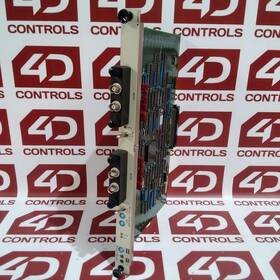
( Brand: Yokogawa ), ( Manufacturer Part Number: FC82-B ), ( Type: Plc Input, Output I/o Modules )
Review YOKOGAWA Bus Control Module Used
The **Yokogawa FC82 Bus Control Module** is a high-performance, fieldbus-compatible device designed to seamlessly integrate industrial automation systems with advanced communication protocols, ensuring robust and reliable data exchange in demanding manufacturing and process control environments. Engineered with Yokogawa s signature precision and reliability, this module serves as a critical bridge between PLCs (Programmable Logic Controllers) and field devices, enabling efficient control and monitoring of distributed systems over standardized bus networks. The FC82 is specifically tailored for use with **PROFIBUS DP, FOUNDATION Fieldbus H1, and DeviceNet** protocols, making it a versatile solution for industries ranging from chemical processing and power generation to food and beverage production. Its compact yet durable design allows for easy installation in harsh industrial settings, where resistance to vibration, temperature fluctuations, and electromagnetic interference is essential.
At its core, the FC82 Bus Control Module features a **dual-port architecture**, enabling simultaneous communication with both the host controller and field devices, which enhances system responsiveness and minimizes latency. The module supports **high-speed data transmission** with configurable baud rates and cycle times, ensuring real-time synchronization between control systems and distributed sensors or actuators. Its **modular and scalable design** allows for seamless integration into existing Yokogawa control platforms, such as the **CENTUM VP or EXAact** systems, while also offering compatibility with third-party PLCs through standardized interfaces. The FC82 is equipped with **diagnostic and troubleshooting capabilities**, providing detailed error codes, communication status monitoring, and self-test functions to streamline maintenance and reduce downtime.
One of the standout features of the FC82 is its **enhanced security and data integrity mechanisms**, including cyclic redundancy checks (CRC), error detection, and protocol-level encryption to safeguard against data corruption or unauthorized access. This ensures that critical process parameters such as temperature, pressure, or flow rates are transmitted with absolute accuracy, even in noisy or high-interference environments. Additionally, the module supports **device parameterization and configuration via HMI (Human-Machine Interface) or engineering software**, simplifying setup and reducing the need for manual adjustments. Whether deployed in a **centralized control room or a decentralized fieldbus network**, the FC82 delivers consistent performance, making it an indispensable component for modern industrial automation solutions.
For engineers and system integrators, the FC82 Bus Control Module offers **flexibility in deployment**, with options for **rack-mount or DIN-rail installation**, as well as support for both **wired and wireless fieldbus extensions** where applicable. Its **low-power consumption** and **long-term reliability** further contribute to cost-effective operation, while Yokogawa s comprehensive technical support and documentation ensure smooth implementation and ongoing optimization. By combining cutting-edge communication technology with Yokogawa s legacy of industrial excellence, the FC82 stands as a cornerstone for next-generation automation systems, empowering operators to achieve higher efficiency, precision, and operational resilience in their processes.
The Yokogawa FC82 Bus Control Module is a device used for communication and control in industrial automation systems, particularly in Yokogawa s CENTUM VP and other process control environments. Below is a detailed analysis of its pros and cons, followed by a conclusion and recommendation.
---
### **Pros of the Yokogawa FC82 Bus Control Module**
1. **Compatibility and Integration**
The FC82 is designed specifically for Yokogawa s CENTUM VP and other process automation systems, ensuring seamless integration with existing infrastructure. It supports communication protocols such as Profibus DP, Foundation Fieldbus, and Ethernet/IP, making it versatile for various industrial networks.
2. **Reliability and Durability**
Yokogawa is a well-established manufacturer in the industrial automation sector, known for producing robust and high-quality hardware. The FC82 is built to withstand harsh industrial environments, including temperature fluctuations, electrical noise, and mechanical stress, reducing the risk of downtime.
3. **Scalability**
The module supports multiple communication channels and can be easily expanded to accommodate additional devices or systems. This scalability is beneficial for growing industrial operations or those requiring modular upgrades.
4. **Diagnostic and Monitoring Capabilities**
The FC82 includes built-in diagnostic tools that allow operators to monitor the health of the communication network, detect faults, and troubleshoot issues in real time. This reduces maintenance time and improves system uptime.
5. **Support for Advanced Protocols**
It supports modern industrial communication protocols like Foundation Fieldbus H1 and Profibus DP, which are widely used in process automation. This ensures compatibility with a broad range of sensors, actuators, and other field devices.
6. **Low Latency**
The FC82 is optimized for real-time control applications, where low latency is critical. This makes it suitable for processes requiring precise timing, such as control loops in chemical plants or refineries.
7. **Vendor Support and Documentation**
As a Yokogawa product, the FC82 benefits from comprehensive technical support, including documentation, training, and access to spare parts. This is particularly valuable for organizations that rely on Yokogawa s ecosystem.
8. **Redundancy and Fault Tolerance**
The module can be configured with redundancy features, such as dual-power supplies or backup communication paths, to enhance system resilience. This is crucial for critical infrastructure where failure is not an option.
---
### **Cons of the Yokogawa FC82 Bus Control Module**
1. **High Cost**
Yokogawa products are generally premium-priced, and the FC82 is no exception. The initial purchase cost, as well as potential licensing fees for advanced features, can be prohibitive for smaller businesses or startups with limited budgets.
2. **Vendor Lock-In**
The FC82 is tightly integrated with Yokogawa s ecosystem, which can create dependency on the vendor for future upgrades, support, or replacements. Switching to a different automation platform later may require significant reconfiguration or additional costs.
3. **Complexity in Configuration**
The module s advanced features, while powerful, can be complex to configure, especially for users without extensive experience in industrial automation. This may require specialized training or hiring additional personnel with expertise in Yokogawa systems.
4. **Limited Third-Party Support**
Unlike more open-standard devices, the FC82 may not have as much third-party support or compatibility with non-Yokogawa tools or software. This can complicate integration with other systems or legacy equipment.
5. **Maintenance and Training Costs**
Proper maintenance and operation of the FC82 require trained personnel. Organizations may need to invest in training programs or hire consultants, adding to the overall cost of ownership.
6. **Potential for Obsolescence**
Industrial automation technologies evolve rapidly, and while Yokogawa is a stable vendor, there is always a risk that the FC82 may become outdated over time. Future upgrades may require replacing the module entirely, leading to additional expenses.
7. **Physical Size and Installation Constraints**
The FC82 is a hardware module that may require dedicated space in control rooms or near field devices. In facilities with limited space or strict layout constraints, installation can be challenging.
8. **Dependency on Yokogawa s Software Stack**
The module s full functionality often relies on Yokogawa s software platforms (e.g., CENTUM VP). If an organization is not already using these platforms, the FC82 may not offer the same value without additional investments in software licenses.
---
### **Conclusion**
The Yokogawa FC82 Bus Control Module is a high-performance, reliable, and feature-rich device tailored for industrial automation environments where compatibility with Yokogawa s ecosystem is a priority. Its strengths lie in its robustness, diagnostic capabilities, and support for advanced communication protocols, making it ideal for large-scale process control applications in industries such as chemical, oil and gas, or manufacturing.
However, the high cost, potential vendor lock-in, and complexity of configuration may pose challenges, particularly for smaller organizations or those with limited resources. The decision to purchase the FC82 should be based on the specific needs of the automation system, budget constraints, and long-term compatibility with other equipment.
---
### **Recommendation**
**Purchase the Yokogawa FC82 if:**- Your organization is already using Yokogawa s CENTUM VP or similar process automation systems.
- Reliability, real-time performance, and advanced diagnostic features are critical for your application.
- You have the budget to cover the initial cost and potential long-term maintenance or upgrade expenses.
- Your team has the expertise to configure and maintain the module, or you are willing to invest in training.
**Avoid or consider alternatives if:**- Your budget is constrained, and you can find equally capable but lower-cost modules from other vendors (e.g., Siemens, Rockwell Automation, or open-standard solutions).
- You require maximum flexibility and are concerned about vendor lock-in. In this case, evaluate open-protocol alternatives like Modbus, Ethernet/IP, or PROFINET.
- Your organization lacks the technical expertise to manage complex industrial automation hardware, as this may lead to higher operational costs.
- You anticipate rapid technological changes in your industry, and you prefer solutions with longer-term compatibility or modular upgrades.
For organizations that prioritize cost efficiency and flexibility, exploring alternatives like Siemens SIMATIC NET or Rockwell Automation s ControlLogix may be worth considering. However, if Yokogawa s ecosystem aligns with your existing infrastructure and you can justify the investment, the FC82 remains a strong choice for high-reliability industrial control applications.
Details:
Shipping: Shipping cost: is quoted as part of the sale. Is Yokogawa FC82 B not the part you are wanting. FC82 B Yokogawa Bus Control Module. For example, Programmable Logic Controllers PLC's, Distributed Control Systems DCS's, Human Machine Interface HMI's, Variable Speed Drives VSD's, Power Supplies, Pressure Transmitters and everything in between.
Condition: Used Item - All used products are guaranteed to be working but may show signs of use.
part #: fc82 prices
- $779.99-$817.00
specifications sensoindustria:
- brand: Yokogawa
- mpn: Fc82-b
- type: Plc Input, Output I/o Modules
returns sensoindustria:
- policy: Returns Accepted
- method: Money back
- time: 60 Days
- paid by: Seller
payments sensoindustria:
- credit card: Visa
- other
- wallet: Paypal
offer sensoindustria:
- best offers: True
- quantity: 1
- sold: 0
- options: Ship-to-home
- availability: In Stock
- started: March 2, 2026
seller sensoindustria:
- # reviews: 788
- city: Denver, Colorado
- rating: 97.1%
shipping sensoindustria:
- type: Fixed
- service: Standard
- class: Standard
- transit: 4-10 Days
- cost: $0.00
general sensoindustria:
- condition: Used
- PLCs HMIs > PLC Peripheral Modules > PLC Input Output Modules
Yokogawa FC82 Is Similar To:
- Cp14 B Yokogawa Suffix Plc Processor Card Module Centum Xl Working Pull (37.6% similar) 50 or 25 of your original purchase price. Guaranteed fully functional. Offer template ship script - modified by midpoint. Please base your standards for speedy delivery upon that window of time. Condition: working pull. May have cosmetic signs of use or storage. Green penguin inc. 50 or our original...(August 11th, 2018)
- Cp21 A Yokogawa Suffix Plc Processor Card Module Centum Xl Working Pull (37.6% similar) 50 or 25 of your original purchase price. Offer template ship script - modified by midpoint. Please base your standards for speedy delivery upon that window of time. Guaranteed fully functional. Green penguin inc. Condition: working pull. May have cosmetic signs of use or storage...(August 11th, 2018)
- Dt200-11 Yokogawa Alarm Contact Output Module (46.2% similar) Yokogawa DT200-11 alarm contact output module used...(June 25th, 2018)
- F3pu10-0n Yokogawa Power Supply Module (45.2% similar) ...(March 27th, 2018)
- K9296ba Yokogawa Used Module (45.9% similar) Shelving number M32...(April 12th, 2018)
- Mx120-vao-m08 Yokogawa Daqmaster Output Module (41.3% similar) Yokogawa taskmaster MX120-VAO-M08 output module brand name:Yokogawa model : MX120-VAO-M08 condition: used specs:-item is in good used condition, please see pictures...(April 2nd, 2019)
- S9413ub Yokogawa New Old Stock Centum Xl Plc Process Control Coupler (49.1% similar) Offer template ship script - modified by midpoint. 50 or our original shipping costs. Guaranteed fully functional. Green penguin inc. Please base your standards for speedy delivery upon that window of time. Condition: new old stock. May have cosmetic signs of storage...(August 11th, 2018)
- Aai143s00 Yokogawa New In Box Analog Input Module (44.2% similar) Our product team will keep the products up-to-date, which can allows you to purchase latest and valuable from stores. Do you ship to my country. The purchase history link on left side of page. Where can I find a rma. How many months warranty do you provide. Return items should include the original ...(May 2nd, 2021)
- Yokogawa Aai543-h00 Aai543h00 Used (39% similar) Sells new and surplus product develops channels to purchase such. Packaging and handling, items are safely eds packaged in custom shipping cartons for protection. The product is used surplus...(January 7th, 2024)
- Yokogawa Dt200-11-s1 Dt20011s1 Used (38.6% similar) Packaging and handling, items are safely eds packaged in custom shipping cartons for protection. Sells new and surplus product develops channels to purchase such...(February 13th, 2024)
- Yokogawa Adv859 p00 S1 Style Digital Input output Module Multiple Available (38.7% similar) Listing is for 1 unit, have up to 4 available. Listing is for hardware only. All are in similar condition. Off-lease plc automation equipment!, Yokogawa ADV859 style: s1 digital input/output module. Units were pulled from working environment and fully functional. 30 day warranty provided...(April 18th, 2024)
