SCHNEIDER ELECTRIC Tsx Discrete Module 216/AS-BDE0-216 16X24VDC-USED
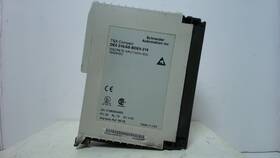
( Brand: Schneider Electric ), ( Manufacturer Part Number: DE0216ASBDE0216 ), ( Part Type: Module )
Review SCHNEIDER ELECTRIC Tsx Compact De0 216/as-bde0-216 Discrete Input Module 16x24vdc-used
The **Schneider Electric DE0-216/AS-BDE0-216 Discrete Input Module** is a robust, high-performance industrial-grade component designed to interface analog and digital signals within automation and control systems. This **used but fully functional** 16-channel discrete input module operates at **24V DC**, making it ideal for applications requiring reliable signal acquisition in harsh environments. Each of the 16 inputs is engineered to accept standard dry-contact signals, such as pushbuttons, limit switches, proximity sensors, and other binary input devices, ensuring seamless integration into PLC (Programmable Logic Controller) systems like the **TSX DE0 series** or compatible Schneider Electric controllers. The module features a **compact, DIN-rail-mountable design**, allowing for efficient space utilization in control panels while maintaining easy accessibility for maintenance and troubleshooting. Built with **industrial-grade components**, it delivers exceptional durability, resistance to electrical noise, and long-term reliability, even under demanding operational conditions. The **optically isolated inputs** enhance safety by preventing backfeed currents and protecting the controller from potential damage, while the **LED status indicators** provide real-time feedback on input states, simplifying diagnostics. Whether deployed in manufacturing plants, process control systems, or building automation, this module ensures precise and dependable signal processing, contributing to the overall efficiency and uptime of automated processes. Its **backward compatibility** with Schneider Electric s TSX DE0 series further extends its utility, making it a versatile choice for both new installations and retrofitting existing systems.
### **Pros and Cons of Buying a Used Schneider Electric DE0216ASB/DE0-216/AS-BDE0-216 16x24V DC Discrete Module**
#### **Pros:**1. **Cost-Effective Alternative** Used modules are significantly cheaper than new ones, making them an attractive option for budget-conscious buyers, especially in industrial or automation applications where redundancy or spare parts are needed.
2. **Proven Reliability** If the module has been well-maintained and operated under controlled conditions, it may still function reliably, offering the same performance as a new unit in many cases.
3. **Quick Availability** Purchasing used equipment can reduce lead times compared to waiting for a new module, which may be backordered or require extended manufacturing cycles.
4. **Compatibility with Existing Systems** Since the module is designed for Schneider Electric s Modicon or Quantum platforms, it will fit seamlessly into existing control systems without requiring additional hardware modifications.
5. **Environmentally Friendly** Buying used reduces electronic waste, contributing to sustainability efforts by extending the lifecycle of industrial components.
6. **Testing and Inspection Opportunities** Some sellers provide test reports or allow for pre-purchase testing, giving buyers confidence in the module s condition before purchase.
---
#### **Cons:**1. **Unknown Service History** Without full documentation or maintenance records, it s difficult to assess whether the module has been exposed to harsh conditions, voltage spikes, or improper handling, which could shorten its remaining lifespan.
2. **Potential Wear and Tear** Even if the module appears functional, internal components like relays, contacts, or solder joints may degrade over time, leading to intermittent failures or reduced reliability.
3. **Limited Warranty or No Warranty** Used modules typically come with no warranty or a very short one (if any), meaning buyers bear full responsibility for any defects or failures post-purchase.
4. **Compatibility Risks** While the module may physically fit, firmware or communication protocols might not align perfectly with newer system versions, requiring additional troubleshooting or upgrades.
5. **Higher Risk of Failure** The likelihood of failure increases with age, especially if the module was used in demanding environments (e.g., high vibration, temperature fluctuations, or frequent power cycles).
6. **Resale Value Challenges** If the module fails after purchase, reselling it may be difficult due to its used condition, leaving the buyer with no recourse.
7. **Testing Limitations** Some defects (e.g., internal corrosion, degraded insulation, or latent faults) may not be detectable through basic functionality tests, leading to unexpected failures later.
---
### **Conclusion**
Buying a used Schneider Electric DE0216ASB/DE0-216 discrete module can be a **cost-effective and practical solution** for short-term needs, spare parts, or temporary replacements, especially if the module is sourced from a reputable seller with test reports. However, it carries **higher risks** compared to new equipment, particularly regarding reliability, warranty, and long-term performance.
For **mission-critical applications** or systems where uptime is non-negotiable, investing in a new or refurbished module (with a warranty) is strongly recommended. If proceeding with a used module, **thorough testing, inspection, and a clear understanding of its history** are essential to mitigate risks.
---
### **Recommendation**
- **If budget is tight and the module is for non-critical use (e.g., spare parts, temporary setup):**Purchase from a **trusted seller** (e.g., certified industrial surplus providers, auction sites with return policies, or manufacturers refurbished programs). Request **test results, photos of the module in operation, and a clear return policy**.
- **If reliability is paramount (e.g., production lines, safety-critical systems):**Opt for a **new or certified refurbished module** to ensure full warranty coverage and long-term performance. Consider contacting Schneider Electric s authorized distributors for genuine parts.
- **If testing is an option:**Conduct **in-depth testing** (e.g., load cycling, insulation resistance checks, and communication protocol verification) before integrating the module into your system. Document the test results for future reference.
Ultimately, the decision depends on **risk tolerance, budget constraints, and the criticality of the application**. For most industrial applications, balancing cost and risk by choosing a **high-quality used module from a verified source** can be a reasonable compromise.
Details:
Schneider TSX Compact DE0 216/AS-BDE0-216 Discrete Input Module 16X24VDC. Mod icon AS-B352-001 Output Module 984/Series 300 PLC 24VDC-Reconditioned. IDEC FC4A-N08B1 Micro Smart 8-Point 24VDC Input Module-New In Box.
part #: de0216asbde0216 prices
- $99.14-$619.95
specifications sensoindustria:
- brand: Schneider Electric
- mpn: De0216asbde0216
- part type: Module
returns sensoindustria:
- time: 30 Days
- paid by: Buyer
- method: Money back
- policy: Returns Accepted
general sensoindustria:
- condition: Used
- PLCs HMIs > PLC Peripheral Modules > PLC Input Output Modules
shipping sensoindustria:
- cost: $14.00
- carrier: FedEx
- transit: 4-7 Days
- type: Fixed
- class: Standard
- service: FedEx Ground / FedEx Home Delivery
seller sensoindustria:
- city: Detroit, Michigan
- # reviews: 14829
- rating: 99.9%
payments sensoindustria:
- credit card: Discover
- other
- wallet: Apple-pay
offer sensoindustria:
- options: Ship-to-home
- availability: In Stock
- sold: 0
- quantity: 1
- started: April 30, 2026
- best offers: True
Schneider Electric DE0216ASBDE0216 Is Similar To:
- 100012 Schneider Electric (28.3% similar) Shipped with USPS priority mail. Condition is new. Schneider Electric 170ADI34000...(May 26th, 2019)
- 140-aco-020-00 Modicon Brand New Schneider Electric Tsx Quantum An Out Current (33.3% similar) ...(September 24th, 2018)
- 140-aco-130-00 Modicon Schneider 140aco13000 Tsx 00785901327004 (27.9% similar) All factory sealed items must be unopened. The cut-off time for expedited shipping is 7 PO. Item must be in its original condition. Right part original new factory sealed products with the latest mfg dates and firmware releases. What makes us different is our 3 r business philosophy: right part in ...(January 27th, 2018)
- 140-ati-030-00 Schneider Modicon Thermocouple Input Module Tsx Tb (38.3% similar) This item is used. Schneider mod icon 140ATI03000 Thermopylae input module 140-ATI tsx tb manufacturer: model: type: used, in working condition. Marketing, listing apps, application...(March 7th, 2018)
- 140-cra-931-00 140cra93100 140-cra-931-00 Schneider Electric Modicon (27.1% similar) Please let us know and give the chance to make things right. Warranty period only for defective parts...(October 3rd, 2017)
- 140-ddi-841-00 Schneider Electric Modicon Vdc Sink Input Module New Tb (44.2% similar) Marketing, listing apps, application. Schneider mod icon 140DDI84100 vdc sink input module 140-DDI new tb manufacturer: model: type: new, in working condition. This item is new...(April 7th, 2018)
- 140-ddi-853-00 Schneider Automation Modicon Tsx Quantum Ch Input (32.5% similar) This item has been fully tested by our tech department and is in good working condition...(January 23rd, 2019)
- 140-ddo-843-00 Schneider Module Dc Out Source (27.2% similar) 60 vdc 2X8 source module switches discrete output mod icon quantum - 16 o these are refurbished and tested good from MRI Electric supply company. 60 v dc quantum 140DDO84300 mod icon DOD output 10-60VDC 2X8 source the external power supplies may be mixed between groups. 2-SCHNEIDER 140-DDO I o ...(June 17th, 2019)
- 140ac002000 Modicon Schneider Quantum Output Module New In Box (29.3% similar) Schneider mod icon quantum 140AC002000 output module new in box location B1-D1-S2312-19-18...(December 19th, 2018)
- 140aci03000 Schneider Electric New Sealed 3595861126565 (33.1% similar) Come buy Allen Bradley, Cisco, hp and Siemens parts. SPECIFICATIONS:8 differential inputs, analogue input resolution 12 bits, absolute maximum 25 ma, 50 v dc. Included in this offer is: 1/1 40ACI03000. Part NUMBER:140ACI03000MANUFACTURER:SCHNEIDER Electric: Schneider Electric 140ACI03000 mod icon ...(December 19th, 2017)
- 140avi03000 Schneider Automation Tsx Quantum (27.4% similar) Smaller items will normally ship USPS and heavier FedEx ground. Please only bid if you understand this. Combined shipping: take 3 off shipping for each offer won after the first, if items are paid together...(October 5th, 2017)
