PLC DIRECT D3-HSC Automation
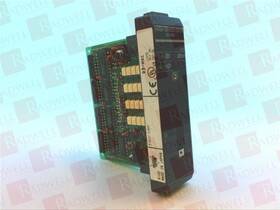
( Brand: Plc Direct ), ( Manufacturer Part Number: D3-HSC )
Review PLC DIRECT Automation D3hsc Used
The **Siemens SIMATIC PLC D3-HSC (D3HSC)** is a high-performance, modular programmable logic controller (PLC) designed to meet the demanding requirements of modern industrial automation, particularly in applications requiring precise motion control, high-speed data processing, and seamless integration with advanced communication protocols. As part of the **SIMATIC D3** series, this compact yet powerful controller is engineered to deliver exceptional reliability, scalability, and flexibility for a wide range of automation tasks, from discrete manufacturing and process control to complex motion applications in machinery and robotics. The **D3-HSC** module itself is a specialized **High-Speed Counter (HSC)** unit, which serves as an integral component of the SIMATIC D3 system, enabling real-time monitoring and control of high-speed signals, such as encoder feedback, pulse trains, or other time-critical inputs with sub-microsecond precision. This module is particularly well-suited for applications where fractional or incremental position feedback, speed regulation, or synchronization with external devices is essential, such as in CNC machines, packaging systems, or conveyor belt control.
What sets the **D3-HSC** apart is its ability to handle up to **four independent high-speed inputs** with a maximum frequency of **1 MHz per channel**, allowing for the simultaneous acquisition and processing of multiple signals without compromising performance. Each input channel supports a variety of signal types, including TTL, NPN/NPN open-collector, and differential signals, ensuring compatibility with a broad spectrum of sensors and encoders. The module also features **quadrature decoding** for incremental encoders, enabling the detection of both direction and position changes with high resolution, while its **absolute position capture** functionality allows for quick initialization of motion profiles without the need for homing routines. Additionally, the **D3-HSC** integrates seamlessly with the **SIMATIC S7-1500** or **S7-1200** CPU modules, leveraging the robust **SIMATIC STEP 7** programming environment to execute complex motion control algorithms, PID regulation, or synchronized multi-axis movements with ease. Its **deterministic communication** via **PROFINET IRT** or **Ethernet/IP** ensures minimal latency, making it ideal for applications where synchronized motion across multiple axes or devices is critical.
Beyond its technical capabilities, the **D3-HSC** is designed with industrial durability in mind, featuring a robust **industrial-grade enclosure** that can withstand harsh environmental conditions, including temperature fluctuations, vibration, and electromagnetic interference. The module adheres to strict **IEC 61131-2** and **IEC 62061** safety standards, ensuring compliance with international safety regulations while providing built-in diagnostics and fault monitoring to minimize downtime. Its **modular architecture** allows for easy expansion, enabling users to scale their automation systems by adding additional **D3-HSC** modules or integrating them with other **SIMATIC D3** components, such as **digital and analog I/O modules, communication interfaces, or safety controllers**. Whether deployed in a high-speed packaging line, a precision machining center, or a robotics application requiring millisecond-level synchronization, the **D3-HSC** delivers a perfect blend of performance, precision, and adaptability, making it a cornerstone of next-generation industrial automation solutions.
### **Pros and Cons of buying a PLC D3-HSC (Automation D3HSC)**
#### **Pros**
1. **High Performance and Speed** The D3-HSC is designed for high-speed control applications, making it suitable for demanding automation tasks such as CNC machining, robotics, and motion control. Its advanced processing capabilities ensure smooth and precise operation.
2. **Scalability and Flexibility** The system supports modular expansion, allowing users to add more I/O modules, communication interfaces, or additional processing units as their automation needs grow. This makes it adaptable for both small-scale and large-scale industrial applications.
3. **Advanced Motion Control** The D3-HSC includes sophisticated motion control algorithms, enabling high-precision positioning, servo control, and synchronized multi-axis movement. This is particularly useful in manufacturing, packaging, and material handling industries.
4. **Robust Communication Protocols** It supports multiple communication standards, including Ethernet/IP, Profibus, Modbus, and CANopen, ensuring seamless integration with other PLCs, HMIs, and industrial networks. This reduces the need for additional gateways or converters.
5. **High Reliability and Durability** Built for industrial environments, the D3-HSC is designed to withstand harsh conditions, including temperature fluctuations, electrical noise, and mechanical stress. Its robust construction minimizes downtime and extends equipment lifespan.
6. **User-Friendly Programming Environment** The system often comes with intuitive software tools for programming, debugging, and monitoring. Features like drag-and-drop logic, graphical programming, and real-time diagnostics simplify development and troubleshooting.
7. **Energy Efficiency** Modern versions of the D3-HSC incorporate energy-saving features, such as adaptive power management and optimized control algorithms, which can reduce operational costs over time.
8. **Support for Advanced Features** The PLC may include built-in support for AI-driven predictive maintenance, cloud connectivity, and remote monitoring, enhancing overall system efficiency and maintenance predictability.
9. **Vendor Support and Updates** As a product from a reputable automation manufacturer, the D3-HSC likely comes with comprehensive technical support, firmware updates, and access to a community of users and developers for troubleshooting and best practices.
10. **Cost-Effective for Large-Scale Projects** While the initial investment may be high, the long-term benefits such as increased productivity, reduced maintenance, and improved process control often justify the cost, especially in high-volume production environments.
---
#### **Cons**
1. **High Initial Cost** The D3-HSC is a premium product, and its advanced features come with a significant upfront investment. Smaller businesses or startups with limited budgets may find it financially challenging to adopt.
2. **Complexity for Beginners** The advanced capabilities of the D3-HSC require a steep learning curve. Users without prior experience in PLC programming, motion control, or industrial automation may struggle to fully utilize its features without extensive training.
3. **Training and Expertise Requirements** Proper implementation, programming, and maintenance of the D3-HSC often require specialized knowledge. Companies may need to invest in training their staff or hire external consultants, adding to operational costs.
4. **Compatibility Issues** While the D3-HSC supports multiple communication protocols, integrating it with legacy systems or third-party devices may require additional effort, middleware, or custom solutions. Some older equipment may not be fully compatible.
5. **Maintenance and Spare Parts** Due to its advanced nature, finding spare parts or technicians familiar with the D3-HSC can be difficult, especially if the manufacturer is niche. This could lead to longer downtimes during repairs.
6. **Overkill for Simple Applications** For basic automation tasks such as simple relay control, basic sequencing, or low-speed processes the D3-HSC may offer more features than necessary. In such cases, a lower-cost PLC (e.g., a basic Allen-Bradley, Siemens, or Mitsubishi model) would suffice.
7. **Software Dependencies** The performance of the D3-HSC heavily relies on its programming software. If the software is unstable, lacks updates, or has compatibility issues with newer operating systems, it could hinder productivity.
8. **Potential for Over-Engineering** Without careful planning, businesses might end up implementing more functionality than required, leading to unnecessary complexity, higher costs, and longer development cycles.
9. **Licensing or Subscription Costs** Some advanced features of the D3-HSC may require additional licenses or subscriptions for software tools, cloud services, or updates. These recurring costs can add up over time.
10. **Risk of Obsolescence** While less likely with a well-established brand, rapid advancements in automation technology could render certain features of the D3-HSC outdated sooner than expected. This may require frequent upgrades or replacements.
---
### **Conclusion**
The **D3-HSC PLC** is a powerful and versatile automation solution ideal for industries requiring high-speed motion control, precision, and scalability. Its advanced features, reliability, and integration capabilities make it a strong choice for manufacturing, robotics, and complex process automation. However, its high cost, complexity, and the need for specialized expertise may pose challenges for smaller operations or those with simpler automation needs.
For businesses with **high-volume production, multi-axis motion control, or long-term growth plans**, the D3-HSC is a worthwhile investment due to its efficiency, flexibility, and future-proofing. On the other hand, **smaller businesses, startups, or those with basic automation requirements** may find it overkill and could benefit more from a more affordable, simpler PLC.
### **Recommendation**
- **Buy the D3-HSC if:**- Your application demands high-speed, multi-axis motion control (e.g., CNC machining, robotic assembly, or high-precision packaging).
- You require scalability and plan to expand your automation system in the future.
- Your team has access to or is willing to invest in training for PLC programming and motion control.
- You operate in an industry where reliability, precision, and reduced downtime are critical to profitability.
- **Avoid or Consider Alternatives if:**- Your budget is limited, and a simpler, lower-cost PLC would meet your needs.
- Your automation requirements are basic (e.g., simple sequencing, relay control, or low-speed processes).
- Your team lacks experience with advanced PLC programming, and training would be impractical.
- You are unsure about long-term compatibility with other systems or potential future upgrades.
**Alternative Considerations:**- For **mid-range applications**, evaluate PLCs like **Siemens S7-1200/1500, Allen-Bradley CompactLogix, or Mitsubishi FX3U/QR Series**, which offer a balance of cost and functionality.
- For **budget-friendly options**, consider **basic PLCs from brands like Omron CJ2, Beckhoff CX, or Schneider Electric Modicon**, which are suitable for simpler tasks.
- If **cloud integration and IoT features** are priorities, explore PLCs with built-in connectivity (e.g., Siemens S7-1500 with TIA Portal or Allen-Bradley ControlLogix with FactoryTalk).
Ultimately, the decision should align with your **specific technical needs, budget, and long-term automation strategy**. Conducting a detailed cost-benefit analysis and consulting with automation experts can help ensure the right choice.
Details:
All products are guaranteed to be working but may show signs of use if purchasing a used product. Sells new and surplus product develops channels to purchase such. Call to use a shipping service other than the ones listed. AUTOMATION DIRECT D3-HSC / D3HSC USED COUNTER MODULE HIGH SPEED ,10 KHZ, 3 INPUT, 2 OUTPUT.
Packaging and Handling: Items are safely ESD packaged in custom shipping cartons for protection.
part #: d3-hsc prices
- $180.84-$278.00
specifications sensoindustria:
- brand: Plc Direct
- mpn: D3-hsc
returns sensoindustria:
- time: 30 Days
- method: Money back
- policy: Returns Accepted
- paid by: Buyer
offer sensoindustria:
- quantity: 1
- options: Ship-to-home
- started: March 24, 2026
- sold: 0
- availability: In Stock
seller sensoindustria:
- # reviews: 195978
- city: 1 Millennium Dr, Willingboro, NJ 08046
- rating: 99.6%
shipping sensoindustria:
- transit: 23-36 Days
- class: Standard
- type: Fixed
- service: Standard
- cost: $12.90
payments sensoindustria:
- credit card: Discover
- other
- wallet: Apple-pay
general sensoindustria:
- PLCs HMIs > PLC Peripheral Modules > PLC Input Output Modules
- condition: Used
Plc Direct D3-HSC Is Similar To:
- 1440-vst02-01ra b Plc Rockwell Automation Allen Bradley New In Box Dynamic Measurement Module (33.6% similar) New in box Allen Bradley 1440-VST02-01RA b XM120 dynamic measurement module condition: original open with matching serial numbers serials blurred for privacy free FedEx ground shipping and fully insured...(May 15th, 2018)
- 1734-arm c Plc C Plc Rockwell Automation (40.5% similar) ...(December 9th, 2017)
- 1734-ob4 c Plc C Plc Rockwell Automation (40.5% similar) 2016 Allen Bradley 1734-OB4 series c dc output module point I o condition: used free FedEx ground shipping and fully insured...(December 9th, 2017)
- 1734-ob8e c Plc C Plc Rockwell Automation (40% similar) 2017 new in box Allen Bradley 1734-OB8E c output module point I o condition: serials blurred for privacy free FedEx ground shipping and fully insured...(October 8th, 2017)
- 1746-hsce2 a Plc A Plc Rockwell Automation (34.9% similar) 2017 factory sealed Allen Bradley 1746-HSCE2 a high-speed counter LC 500 condition: serials blurred for privacy free FedEx ground shipping and fully insured...(November 30th, 2017)
- 1746-hstp1 b Plc B Plc Rockwell Automation (39.5% similar) Allen Bradley 1746-HSTP1 series b axis stepper controller module LC 500 condition: used free FedEx ground shipping and fully insured...(January 6th, 2018)
- 1746-oa16 d Plc D Plc Rockwell Automation (42.4% similar) 2016 factory sealed Allen Bradley 1746-OA16 series output module condition: sealed free FedEx ground shipping and fully insured...(July 29th, 2017)
- 1746-ob16 d Plc D Plc Rockwell Automation (42.4% similar) 2016 factory sealed Allen Bradley 1746-OB16 series output module condition: serials blurred for privacy free FedEx ground shipping and fully insured...(September 1st, 2017)
- 1747-l552 d Plc D Plc Rockwell Automation (42.4% similar) 2016 new original box Allen Bradley 1747-L5525 05 processor LC 500 Fran 13 condition: in open with matching serial free FedEx ground shipping and fully insured...(May 22nd, 2017)
- 1747-sdn c Plc Rockwell Automation Allen Bradley New In Original Box Devicenet Scanner (30.8% similar) New in original box Allen Bradley 1747-SDN c device net scanner module LC 500 condition: with matching serial numbers serials blurred for privacy free FedEx ground shipping and fully insured...(April 24th, 2018)
- 1756-en3tr b Plc B Plc Rockwell Automation (39.5% similar) 2017 factory sealed Allen Bradley 1756-EN3TR b Ethernet IP motion controllers condition: serials blurred for privacy date: 2017 FREE FedEx ground shipping and fully insured...(August 12th, 2017)
