SIEMENS 550-788A Apogee Terminal Controller Bacnet Vav Heat Pump
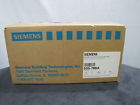
( Brand: Siemens ), ( Manufacturer Part Number: 550-788A ), ( Type: Processor/controller ), ( Country Of Manufacture: Unknown )
Review SIEMENS Apogee Terminal Equipment Controller Bacnet Vav Heat Pump
Siemens Apogee Terminal Controller 550-788A - BACnet VAV Heat Pump Controller
The Siemens Apogee Terminal Controller 550-788A is a sophisticated and versatile solution for managing VAV (Variable Air Volume) heat pump systems. This controller, part of Siemens' Apogee series, is designed to enhance energy efficiency, comfort, and system reliability in a wide range of HVAC applications.
The 550-788A Terminal Controller is a BACnet-compliant device, enabling seamless integration with building automation systems. It offers advanced control strategies for VAV boxes, air-handling units, and heat pumps, ensuring optimal performance and user comfort.
The controller features a robust design with a compact form factor, making it suitable for wall-mount or DIN rail installation. It boasts a high-resolution, multi-line display for easy navigation and monitoring of system parameters. The intuitive user interface allows for quick setup and configuration, reducing installation time and effort.
Equipped with a built-in web server, the 550-788A Terminal Controller can be easily accessed and configured using a web browser, eliminating the need for specialized software. It also supports BACnet/IP and BACnet MS/TP protocols, providing flexibility in network topology design.
Key features of the Siemens Apogee Terminal Controller 550-788A include:1. Advanced VAV control with demand-controlled ventilation and airflow regulation.
2. Heat pump control with integrated heating and cooling capabilities.
3. Energy-efficient operation with optimized start/stop sequences and load shedding strategies.
4. Fault detection and diagnostics for early identification and resolution of potential system issues.
5. Compatibility with a wide range of sensors, actuators, and other building automation devices.
6. Integration with Siemens' Building Automation System (BAS) for centralized control and monitoring.
In conclusion, the Siemens Apogee Terminal Controller 550-788A is an ideal choice for those seeking a reliable, user-friendly, and energy-efficient solution for managing VAV heat pump systems. Its BACnet compatibility, advanced control strategies, and easy-to-use interface make it a valuable addition to any HVAC system.
Analysis of Buying Siemens Apogee Terminal Controller (550-788A) for BACnet VAV Heat Pump Systems
Pros:1. **Brand Reputation**: Siemens is a well-established brand in the industrial automation sector, known for its quality and reliability.
2. **BACnet Compatibility**: The controller is BACnet-compliant, making it easy to integrate with existing building automation systems.
3. **Versatility**: Suitable for use in VAV (Variable Air Volume) heat pump systems, offering flexibility in HVAC design and operation.
4. **Energy Efficiency**: Heat pump technology can deliver significant energy savings compared to traditional HVAC systems.
5. **Smart Control**: The Apogee controller offers advanced features such as remote monitoring, diagnostics, and data logging, enhancing system management and maintenance.
Cons:1. **Cost**: Siemens products tend to be more expensive compared to some other brands, which could be a deterrent for budget-conscious buyers.
2. **Complexity**: While the Apogee controller offers advanced features, it may have a steeper learning curve for users not familiar with these technologies.
3. **Maintenance**: Advanced systems may require more frequent maintenance to ensure optimal performance, which could add to operational costs.
4. **Compatibility Issues**: While BACnet is a widely adopted protocol, there might be specific issues when integrating the controller with non-BACnet systems or devices.
5. **Availability**: Siemens products may not be readily available in all regions, which could lead to longer delivery times.
Conclusion: The Siemens Apogee Terminal Controller (550-788A) is a high-quality, energy-efficient solution for BACnet VAV heat pump systems. Its compatibility with advanced building automation systems and potential for energy savings make it an attractive option. However, its cost and potential complexity may be a concern for some users. If budget and technical expertise allow, this controller could be a worthwhile investment for enhancing HVAC system performance and energy efficiency. Otherwise, it's essential to carefully consider the system requirements and weigh the benefits against the costs before making a decision.
Details:
New in box.
part #: 550788a prices
- $299.99-$377.51
specifications sensoindustria:
- brand: Siemens
- mpn: 550-788a
- type: Processor/controller
- country of manufacture: Unknown
Shipping sensoindustria:
- type: Flat
- cost: $0.0
- handling: 2 days
Seller sensoindustria:
- city: San Diego, California
- zipcode: 92120
Returns sensoindustria:
- policy: returns accepted
- paid by: Buyer
- type: Money Back
- time: 30 Days
Ratings:
- Hope to deal with you again. Thank you. 07-25-17
- Great item, thanks! 07-27-17
- Thank you for an easy, pleasant transaction. Excellent buyer.. 07-25-17
- SmoothGreat Seller 07-25-17
- Great Communication! Nice Machine! 07-26-17
Offer sensoindustria:
- best offer: true
- Sold: 0
- Started: July 27, 2017, 8:52 pm
- quantity: 2
- bids: 0
General sensoindustria:
- business industrial > electrical test equipment > industrial automation control business industrial > sensors industrial automation control
- in stock: Yes
- condition: New
Payments sensoindustria:
- PayPal
Siemens 550-788A Is Similar To:
- 3rk1903-0ab10 Ar Siemens Terminal Module (56.1% similar) ...(September 14th, 2017)
- 505-6851a Siemens Remote Base Controller (51.2% similar) Siemens remote base controller plc module. In order to give you the lowest possible rate, we combine shipping charges on multiple orders...(May 26th, 2017)
- 540-100 Siemens Apogee Automation Terminal (64.3% similar) In very good condition...(December 23rd, 2017)
- 544-760a Siemens Room Temperature Sensor Controller Hvac Plc Dcs Transducer (37.6% similar) This is new unit in factory box stock surplus. Item located Karachi Pakistan before bit please conform the shipping quote...(January 31st, 2019)
- 6fc52110aa000aa0 Siemens 6fc5211-0aa00-0aa0 Terminal Block (44% similar) Siemens 6FC5211-0AA00-0AA0 terminal block version brand name:Siemens model : 6FC5211-0AA00-0AA0 condition: used specs:-item is in good used condition, please see pictures...(December 18th, 2017)
- Nmid-a Siemens Multiplexer Module Hvac Plc Dcs Controller Transducer Meter (29.3% similar) Item located Karachi Pakistan before bit please conform the shipping quote. This is new unit in factory box stock surplus...(January 31st, 2019)
- Rxc30.1-00030 Siemens Room Controller Basic Module Hvac Plc Dcs Transducer (27.6% similar) This is new unit in factory box stock surplus. Item located Karachi Pakistan before bit please conform the shipping quote...(January 31st, 2019)
- Ti305-04b Siemens Simatic Programmable Controller (37.4% similar) ...(February 12th, 2018)
- Ti305-05b Siemens New Cpu Programmable Controller Unit (37.5% similar) This part is in new condition. All parts repair items sold are final sales. Unit includes a 30-DAY warranty is included. Please through the messaging are buying on one new Siemens TI305-05B CPU programmable controller unit...(October 1st, 2018)
- Tm-e15c26-a1 Siemens Simatic S7 Terminal (48.8% similar) Icon tote b questions. Shipping quotes are for the USA lower 48 states only. Please for shipping quote. This offer is for a Siemens TM-E15C26-A1 somatic s7 terminal module that new shelf spare. Siemens TM-E15C26-A1 somatic s7 terminal module new...(November 26th, 2017)
- 6es7-193-4cf50-0aa0 Siemens Simatic Dp Terminal Module For Et Ne (50.9% similar) ...(August 15th, 2019)
