LEUZE 50039567 Gs Forked Photoelectric Sensor 06-66-2 150-S12
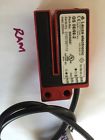
( Brand: Leuze ), ( Manufacturer Part Number: 50039567 ), ( Model: LEUZE ELECTRONICS GS 06/66-2 150-S12 ), ( Part Type: Sensor ), ( Current Type: Dc )
Review LEUZE Electronics Gs Forked Photoelectric Sensor Used
Leuze GS 06-66-2 Forked Photoelectric Sensor 150-S12 - Precision and Reliability in a Compact Form
The Leuze GS 06-66-2 Forked Photoelectric Sensor 150-S12 is a testament to engineering excellence, designed to cater to a wide range of industrial automation needs. This sensor, with the model number 50039567, is a robust and versatile device that ensures precise and reliable detection of objects in various applications.
The Leuze GS 06-66-2 is a forked photoelectric sensor, making it an ideal choice for applications requiring object detection over a wide area. The sensor's unique design, featuring two independent optical axes, allows it to detect objects simultaneously from two directions, enhancing its versatility and increasing the efficiency of your automated processes.
The sensor operates on the principle of the 150-S12 retro-reflective mode, ensuring reliable detection even in the presence of dirt, dust, or other contaminants. It is equipped with an adjustable sensitivity range, allowing it to adapt to different object sizes and materials. With a detection range of up to 15 meters, the sensor can handle objects moving at high speeds, making it suitable for high-speed conveyor systems, sorting lines, and packaging machinery.
The Leuze GS 06-66-2 is built to withstand the rigors of industrial environments. It is IP67 rated, ensuring protection against dust and water, and it boasts a robust housing made of high-quality plastic. The sensor is also resistant to shocks and vibrations, ensuring continuous operation even in demanding conditions.
Installation of the Leuze GS 06-66-2 is a breeze, thanks to its compact design and intuitive set-up process. The sensor comes with a range of mounting options, allowing for easy integration into existing systems. It is also equipped with a status LED, making it easy to monitor its operation status.
In conclusion, the Leuze GS 06-66-2 Forked Photoelectric Sensor 150-S12 is a high-performance, versatile, and reliable device that offers precise object detection in a wide range of industrial applications. Its robust design, adjustable sensitivity, and easy installation make it a valuable addition to any automated system, ensuring increased efficiency and productivity in your operations.
The Leuze GS 06-66-2 Forked Photoelectric Sensor 150-S12 is a versatile sensor designed for various applications, particularly for sensing objects with a reflective surface. Let's weigh its pros and cons to help you make an informed decision.
Pros:1. Forked design: This sensor's forked structure allows for dual-target sensing, ensuring reliable detection even when objects are not perfectly aligned.
2. Adjustable sensing range: With a sensing range of 150 mm, it can accommodate a variety of objects, making it suitable for many industrial applications.
3. High resolution: The 12 mm dot pitch provides high resolution, enabling precise sensing and reducing false triggers.
4. Durable construction: The sensor is built to withstand harsh industrial environments, with an IP67 protection rating and a robust housing.
5. Ease of installation: The sensor is easy to mount, thanks to its M8 thread, and it requires no additional accessories for power supply.
Cons:1. Limited detection range: The sensing range may be too narrow for applications requiring a longer distance between the sensor and the target object.
2. Price: Compared to some other photoelectric sensors, this model may be more expensive, which could be a drawback for budget-conscious buyers.
3. Requires external power supply: Unlike self-contained sensors, this model requires an external power supply, which may add to the overall cost and complexity of the installation.
In conclusion, the Leuze GS 06-66-2 Forked Photoelectric Sensor 150-S12 offers reliable, precise sensing for objects with reflective surfaces. Its forked design and adjustable sensing range make it a versatile choice for many industrial applications. However, its limited detection range and higher price compared to some other sensors are worth considering. If the sensor's advantages align with your specific needs and budget, it could be an excellent choice for your project. If not, you may want to explore other photoelectric sensors with longer detection ranges or lower prices. Always ensure to choose a sensor that best fits your specific application requirements.
Details:
part #: 50039567 prices
- $558.29-$1462.00
specifications sensoindustria:
- brand: Leuze
- mpn: 50039567
- model: Leuze Electronics Gs 06/66-2 150-s12
- part type: Sensor
- current type: Dc
Payments sensoindustria:
- PayPal
Returns sensoindustria:
- paid by: Buyer
- time: 14 Days
- type: Money Back
- policy: returns accepted
Shipping sensoindustria:
- type: Calculated
- handling: 3 days
General sensoindustria:
- in stock: Yes
- business industrial > electrical test equipment > industrial automation control business industrial > sensors industrial automation control
- condition: Used
Seller sensoindustria:
- city: Saint Paul, Minnesota
- zipcode: 55119
Ratings:
- rcvd promptly 03-13-17
- excellent items 03-06-17
- A excellent transaction. Thank you! 03-16-17
- thank you 03-14-17
- As described, Worked perfectly 03-08-17
Offer sensoindustria:
- Sold: 0
- Started: March 20, 2017, 12:34 am
- quantity: 1
- best offer: true
- bids: 0
Leuze 50039567 Is Similar To:
- E82zafsc Leuze Electronics Lenze Inverter Module Factory Sealed (40% similar) If another carrier such as ups or FedEx is required to ship due the size, then shipping costs may change...(May 26th, 2018)
- 200-s12 44.03 Leuze Electronic Hrt 3b 44.03 10-30v Class 2 4-pin Sensor (42.6% similar) ...(July 3rd, 2016)
- Gs04mp303507s8 P-30 35-07-s8 Leuze Gs 04m P-30 35-07-s8 Forked Photoelectric Sensor Used (35.2% similar) ...(March 2nd, 2016)
- 50030919 4.8-s8 Leuze Prk 3 4.8-s8 Photo Sensor Detector And Cable (35% similar) I can often do better. They are not included in the item's sale price or shipping cost. Add Leuze reflective detector model Park s8 with 4 conductor cable power 30VDC, max...(May 22nd, 2016)
- 7z-110 Rk78 220v Leuze Electronic Photo-electric Sensor Rk78 7z-110 220v Used (38.6% similar) Some dust dirt is evident. RK78 7z 110 220VUNIT is used but in good condition. There are a few nicks in the aluminum housing and some scratches on the paint, but otherwise unit is free from damage please see photos. Leuze electronic photo electric sensor part no. Taken from a working environment and...(April 30th, 2016)
- P-105-bg-s12 105-bg-s12 Electroniclrt Box Sender 99100120411 Leuze Sensor 440m (31.3% similar) This is a new Leuze electronic let 440M 105 bag S12 10 30V dc photo electric eye...(September 29th, 2015)
- Ep130-12003 Leuze Photoelectric Control Series Namco (42.7% similar) This item is new as you can see by the pictures...(August 22nd, 2015)
