ASCOR 3000-505 Peripheral Interface
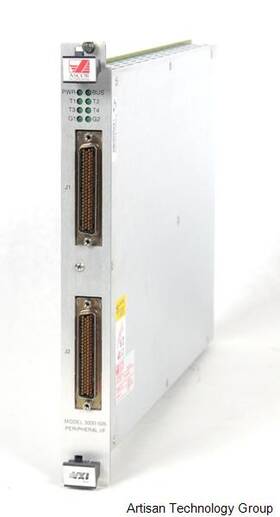
( Brand: Ascor ), ( Manufacturer Part Number: 3000-505 ), ( Country Of Origin: United States )
Review ASCOR Peripheral Interface
The **Ascor 3000-505 Peripheral Interface** is a high-performance, modular communication module designed to seamlessly integrate industrial automation, control systems, and field devices into robust, scalable networks. Engineered for reliability and versatility, this interface excels in environments where precise data acquisition, real-time monitoring, and efficient signal processing are critical. Built with a robust industrial-grade construction, the 3000-505 features a compact yet durable housing, ensuring resilience against harsh conditions such as temperature fluctuations, moisture, and electromagnetic interference making it ideal for applications in manufacturing plants, energy facilities, and process automation settings.
At its core, the Ascor 3000-505 supports a wide array of communication protocols, including **Modbus RTU/TCP, Profibus DP, CANopen, DeviceNet, and Ethernet/IP**, allowing it to interface with virtually any field device, PLC, or SCADA system. Its modular design enables easy expansion and customization, accommodating diverse input/output requirements such as analog signals (4-20mA, 0-10V), digital I/O, and specialized sensor interfaces. The module s high-speed data processing capabilities ensure minimal latency, making it perfectly suited for applications demanding real-time responsiveness, such as predictive maintenance, energy management, and automated control systems.
Security and diagnostics are integral to the 3000-505 s functionality, with built-in encryption, authentication, and firmware update capabilities to safeguard against unauthorized access and ensure continuous operation. Advanced diagnostic tools provide real-time monitoring of signal integrity, communication status, and device health, enabling proactive troubleshooting and reducing downtime. Whether deployed in a distributed control system (DCS), a programmable logic controller (PLC) network, or as part of a larger IoT infrastructure, the Ascor 3000-505 delivers unparalleled flexibility, performance, and reliability, making it an indispensable component for modern industrial automation solutions.
### Pros and Cons of buying a ASCOR 3000-505 Peripheral Interface
The ASCOR 3000-505 is a peripheral interface designed for use with certain medical devices, particularly those requiring communication with external systems like patient monitors, infusion pumps, or other healthcare equipment. Below is a detailed breakdown of its advantages and disadvantages.
---
### **Pros**
1. **Compatibility with Medical Devices**
The ASCOR 3000-505 is specifically engineered to integrate with ASCOR medical systems, such as patient monitors, ventilators, and other critical care devices. This ensures seamless communication between the interface and the primary equipment, reducing the risk of miscommunication or data loss.
2. **Enhanced Data Management**
It facilitates real-time data transfer, allowing for continuous monitoring and recording of patient vitals, device settings, and operational status. This is particularly useful in clinical settings where accurate and timely data is critical for patient care.
3. **Scalability and Flexibility**
The interface supports multiple peripheral devices, enabling healthcare providers to expand their monitoring capabilities without replacing existing systems. It can often accommodate future upgrades or additional devices, making it a versatile choice for growing healthcare facilities.
4. **Improved Workflow Efficiency**
By automating data collection and reducing manual input, the ASCOR 3000-505 helps streamline clinical workflows. This can lead to time savings for healthcare staff, allowing them to focus more on patient care rather than administrative tasks.
5. **Integration with Hospital Networks**
The device can be integrated with hospital information systems (HIS) or electronic health records (EHR), enabling centralized data management. This integration supports better decision-making, reporting, and compliance with regulatory requirements.
6. **Reliability and Durability**
Designed for clinical environments, the ASCOR 3000-505 is built to withstand frequent use and harsh conditions, ensuring long-term reliability. Its robust construction minimizes the risk of downtime or malfunctions during critical operations.
7. **Regulatory Compliance**
The interface adheres to industry standards and regulatory requirements, such as those set by the FDA or other health authorities. This ensures that the data collected and transmitted is legally compliant and secure.
8. **User-Friendly Interface**
The device is often designed with intuitive controls and clear displays, making it accessible to clinical staff with varying levels of technical expertise. Training requirements may be minimal, reducing the learning curve for new users.
---
### **Cons**
1. **High Initial Cost**
The ASCOR 3000-505 is a specialized piece of equipment, and its upfront cost can be significant. For smaller clinics or budget-conscious facilities, this may pose a financial challenge, especially if multiple interfaces are required.
2. **Vendor Lock-In**
The interface is proprietary to ASCOR, which means it may not be compatible with non-ASCOR devices or third-party systems. This can limit flexibility if a facility decides to switch to alternative medical equipment or software in the future.
3. **Maintenance and Support Dependence**
Since the device is specialized, maintenance and technical support may require involvement from ASCOR or authorized service providers. This can introduce dependencies on external support teams, potentially leading to delays in troubleshooting or repairs.
4. **Training Requirements**
While the interface is user-friendly, staff may still require training to fully utilize its features, especially if they are unfamiliar with ASCOR systems. This adds an additional layer of operational complexity.
5. **Potential for Compatibility Issues**
Even within ASCOR s ecosystem, there may be occasional compatibility issues with newer models or updated firmware. Ensuring that all connected devices are fully compatible can sometimes require additional configuration or updates.
6. **Limited Customization**
The ASCOR 3000-505 may not offer extensive customization options for advanced users or facilities with highly specific requirements. This could be a drawback for institutions seeking tailored solutions to unique workflows.
7. **Software Dependencies**
The functionality of the interface often relies on accompanying software or firmware. Outdated software or compatibility issues with operating systems could lead to performance limitations or operational disruptions.
8. **Physical Space Requirements**
The device may require dedicated space for installation, especially if it is part of a larger monitoring or network setup. In facilities with limited space, this could be a practical consideration.
---
### **Conclusion**
The ASCOR 3000-505 Peripheral Interface is a robust and specialized tool designed to enhance data management and integration within ASCOR-based medical systems. Its strengths lie in its reliability, compatibility with ASCOR devices, and ability to streamline clinical workflows. These benefits are particularly valuable in large hospitals or critical care settings where seamless data transfer and monitoring are essential.
However, the high cost, potential vendor lock-in, and dependency on ASCOR s support can be significant drawbacks, especially for smaller clinics or facilities with limited budgets or diverse equipment needs. Additionally, the lack of customization and potential software dependencies may require careful consideration before purchase.
---
### **Recommendation**
**Purchase the ASCOR 3000-505 if:**- Your facility primarily uses ASCOR medical devices and requires seamless integration for real-time monitoring and data management.
- You have the budget to invest in a specialized interface and can justify the long-term benefits of improved workflow efficiency and data accuracy.
- Your IT or clinical staff can adequately support the device, including training and maintenance.
- You prioritize reliability and compliance with industry standards in a high-stakes clinical environment.
**Avoid purchasing the ASCOR 3000-505 if:**- Your facility uses a mix of non-ASCOR devices, as compatibility may be limited.
- Budget constraints make the high initial cost prohibitive, and alternative, more affordable solutions exist.
- You anticipate frequent changes in medical equipment or systems, as vendor lock-in could become a limitation.
- Your facility lacks the technical resources or support to manage the device effectively.
For facilities with diverse equipment needs or budget limitations, exploring alternative peripheral interfaces or modular solutions that offer broader compatibility may be a more practical approach. However, for ASCOR-centric environments where data integration and reliability are critical, the ASCOR 3000-505 remains a strong choice.
Details:
Are not included with this equipment unless pictured and/or listed in the above. Ascor 3000-505 Peripheral Interface:: This module is a special purpose VXI designed with two independent gyro interfaces, as well 4 tachometer interfaces. Fast and hassle-free. A 32-bit register is partitioned into eight groups of four differential inputs.
Hours / Location. The data can be from 1 to 255 bits in length which is transmitted at the clock rate.
part #: 3000505 price
- $1995.00
specifications sensoindustria:
- brand: Ascor
- mpn: 3000-505
- country of origin: United States
shipping sensoindustria:
- carrier: FedEx
- type: Calculated
- cost: $75.98
- transit: 4-8 Days
- service: FedEx Ground / FedEx Home Delivery, FedEx Standard Overnight, FedEx Ground Economy
- class: Standard, One-day, Economy
seller sensoindustria:
- city: Champaign, Illinois
- rating: 99.9%
- # reviews: 17786
general sensoindustria:
- PLCs HMIs > PLC Peripheral Modules > PLC Input Output Modules
- condition: Used
payments sensoindustria:
- other
- credit card: Mastercard
- wallet: Paypal
returns sensoindustria:
- paid by: Buyer
- policy: Returns Accepted
- time: 30 Days
- method: Money back
offer sensoindustria:
- started: May 1, 2026
- sold: 0
- options: Ship-to-home
- availability: In Stock
- quantity: 1
Ascor 3000-505 Is Similar To:
- Ascor 3000-504 Manchester Serial Interface (75.3% similar) Are not included with this equipment unless pictured and/or listed in the above. This module contains eight static and differential outputs status inputs. Ascor 3000-504 Manchester serial interface:: the module is a special purpose xvi designed to simultaneously transmit and receive data through ...(May 1st, 2026)
- Ascor 3000-506 Multi-function Digital Input-output Interface Vxi Module (50.9% similar) Fast and hassle-free. Ascor 3000-506 multi-function digital input-output interface xvi module:: this module provides two channels with a single differential input driving four outputs; 8:1 multiplexers inputs and output; 1:8 4:1 ended output. Are not included with this equipment unless pictured and/...(May 1st, 2026)
